There is no single official stamp identifier website, but the Scott, Stanley Gibbons, and Michel catalogues function as the closest thing to a standard, and photo-matching apps can connect a stamp to those catalogue numbers quickly.
Quick answer
There is no single stamp identifier official website, since no government runs one. The closest official standards are the Scott, Stanley Gibbons, and Michel catalogues, and a photo-matching app can connect a stamp to those catalogue numbers.
Key takeaways
- No government or postal service operates an official stamp identifier website.
- Scott, Stanley Gibbons, and Michel catalogues are the closest thing to a real standard.
- A photo-matching app can narrow a stamp to its likely catalogue entry quickly.
- Always confirm watermark, perforation, and centering before trusting any identification.
- Record the catalogue number you land on so your collection stays organised.
There is no single stamp identifier official website run by a postal authority or government body. Identification instead rests on three independent catalogue publishers and the tools, including the app, that reference their numbering systems.
Is there an official stamp identifier website?
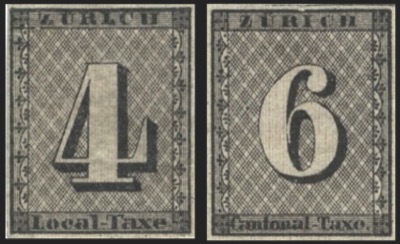
Search for "official" in philately and you will find marketing language more often than fact. No postal service, national library, or international body maintains a single definitive identification database. What does exist is a set of long-established catalogues that collectors, dealers, and auction houses have treated as the practical standard for well over a century.
This gap confuses a lot of new collectors, because almost every other hobby seems to have one obvious reference point. Coin grading has a handful of accepted services, currency has central banks, but stamps were never centralised that way. Each country's post office stopped keeping track of its own issues decades ago, if it ever did in a systematic public-facing way, and the job of cataloguing fell to private publishers who built their reputations stamp by stamp, edition by edition.
Which catalogues act as the closest thing to an official standard?
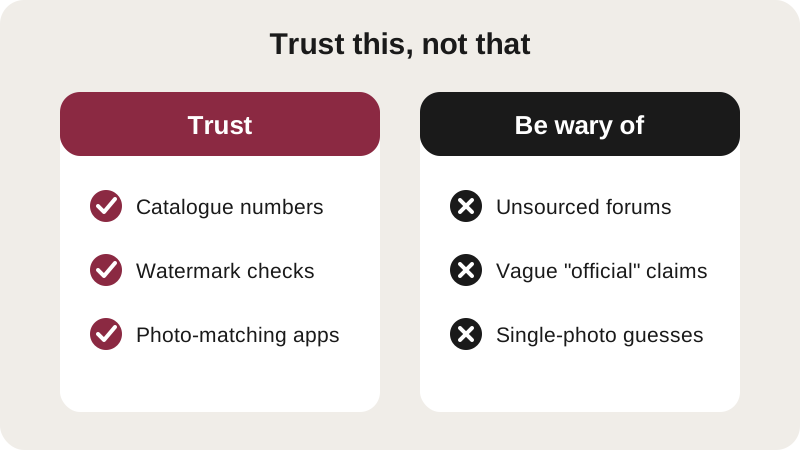
Three publishers have become the de facto reference points that dealers, auction houses, and collectors worldwide treat as authoritative, even without any government backing.
| Catalogue | Primary focus | Numbering style |
|---|---|---|
| Scott | United States and worldwide issues | Sequential numbers by country and year |
| Stanley Gibbons | United Kingdom and Commonwealth | SG-prefixed numbers |
| Michel | Germany and continental Europe | Mi-prefixed numbers |
A single stamp can carry three different numbers depending on which catalogue you consult. When you read an identification anywhere, check which catalogue the number belongs to — a Scott number and an SG number for the same stamp will not match, and confusing the two is a common source of misidentification. For a deeper look at how one of these systems works, see our guide to finding Scott catalogue numbers online.
Beyond these three, many countries maintain their own specialised national catalogues that go into finer detail than the general references, covering local printing varieties, regional perforations, and postal history that the big three summarise more briefly. If you collect material from a specific country in depth, it is worth knowing both the general catalogue number and any national-catalogue equivalent, since dealers in that country may quote one and not the other. Our guide to identifying rare stamps by country explains how these national references fit alongside the main three.
How do you identify a stamp without one central official database?
Without a single authoritative site, identification becomes a short sequence of checks rather than a one-click lookup. The process is the same whether you're working from a physical album or a stamp's country of origin alone.
- Photograph the stamp in even light, front and back, close enough to show fine detail.
- Check the watermark by holding the stamp to a light source or using a UV lamp.
- Measure the perforation with a gauge, counting holes across 2 centimetres of edge.
- Cross-reference a catalogue (Scott, Stanley Gibbons, or Michel) matching the stamp's design and country.
- Record the catalogue number in your collection log once you're confident in the match.
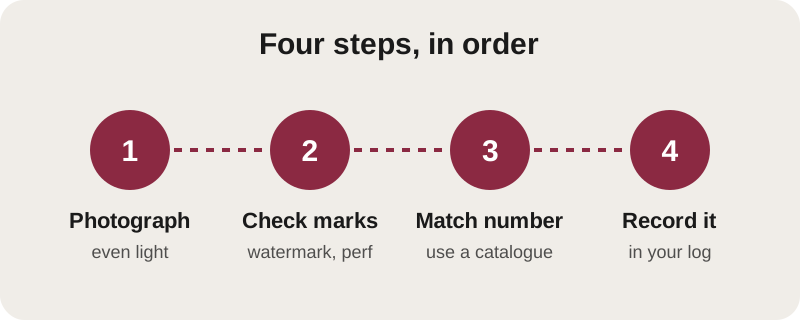
A stamp scanner app speeds up the first two or three steps by matching your photo against a large reference set, but it still works alongside the catalogue, not instead of it. If you want a broader walkthrough of the whole process, our stamp identification guide covers it from first principles, and our piece on improving your stamp collecting skills is useful once you've got the basics down.
Famous stamps show why the details matter
Some of philately's best-known names illustrate how much identification detail can matter. The Penny Black, issued 1 May 1840 and engraved with Queen Victoria's portrait after a design credited to William Wyon, exists across plates 1–11, and telling one plate from another changes the identification entirely. Our guide to identifying the Penny Black walks through exactly how. The British Guiana 1c magenta and the Inverted Jenny are two more examples where a tiny printing detail, not just the design, is what makes each stamp identifiable as itself. In both cases, the identification depends on a single physical feature that a casual glance would miss entirely, which is exactly why relying on a photo alone, without checking the physical stamp against catalogue notes, can lead collectors astray.
What should you check before trusting an identification?
Getting the right catalogue number is only half the job. Condition affects how the stamp is described and catalogued, and two copies with the same number can still differ sharply in grade.
- Centering: how evenly the design sits within the margins
- Gum status: whether a stamp is MNH (mint, never hinged) or MH (mint, hinged)
- Watermark: confirms the paper and printing matches the catalogue listing
- Perforation: gauge measurement across 2 centimetres distinguishes similar-looking printings
See our full breakdown of the stamp condition ratings scale for how these factors are graded in practice, and our guide on why grading matters for the reasoning behind each grade boundary.
It helps to work through these checks in the same order every time, rather than jumping straight to the catalogue page that looks like the closest match. Centering and gum status are usually obvious at a glance, but watermark and perforation take a few extra minutes with the right tools, and skipping them is the single most common reason a collector ends up recording the wrong catalogue number.
Can an app replace the official catalogues?
No app replaces the catalogues themselves, because catalogue numbers are maintained by their publishers, not by any identification tool. What an app can do is point you toward the right catalogue entry faster, by matching your photo's design, colour, and layout against a large reference set, so you spend less time flipping pages before confirming details like watermark and perforation by hand.
Once a stamp is identified, how you store it matters for keeping that identification intact. A stockbook or hingeless album keeps stamps visible without a stamp hinge that can leave a mark, and a glassine envelope is useful for loose stamps awaiting a permanent home. A stamp mount is the standard way to hold unused material in an album without touching the gum. See our guide to stamp storage solutions for a full comparison of these options.
The honest answer to "is there a stamp identifier official website" is that the real authority sits with the catalogue publishers, and the best tools — apps included — are the ones that help you reach the correct catalogue entry rather than ones that simply claim to be official.
Is there a government-run stamp identifier official website?
No. Postal authorities issue stamps but do not maintain identification databases. Identification standards come from independent catalogue publishers such as Scott, Stanley Gibbons, and Michel, each covering different regions and using their own numbering systems collectors rely on worldwide.
Which catalogue should I trust as the official standard?
It depends on the stamp's origin. Scott is the standard reference for US-related material, Stanley Gibbons for the UK and Commonwealth, and Michel for Germany and much of Europe. Use whichever catalogue matches the stamp's country of issue.
Can an app replace a physical stamp catalogue?
An app can quickly suggest a likely catalogue match from a photo, which narrows your search. It works best alongside the catalogue itself, since fine details like watermark and perforation still need to be confirmed against the published listing.
What should I check before trusting an identification?
Check the watermark, measure the perforation, and assess centering before accepting any identification. Two stamps can look nearly identical in a photo but differ in catalogue value and number based on these physical details alone.
Why do some websites claim to be the official stamp identifier?
Marketing language doesn't make a site official. No single authority certifies one website as definitive. Look for sources that cite recognised catalogue numbering (Scott, Stanley Gibbons, Michel) rather than ones that simply assert authority without showing their reference.