A stamp scanner is a phone-camera tool that matches a photographed stamp against a visual database to identify its country, issue, and design, but centering, perforations, and watermarks still need to be checked by hand.
A stamp scanner is a phone camera plus an identification app that matches your stamp's design, color, and text against a reference database to tell you its country, series, and approximate issue date. It saves the hours you would otherwise spend flipping through a printed catalog page by page.
For most collectors, this is the fastest way to sort through a box of unidentified stamps, whether inherited, bought as a lot, or pulled from old envelopes. It does not replace careful grading or catalog research, but it gets you to the right page of the catalog almost instantly.
How does a stamp scanner work?
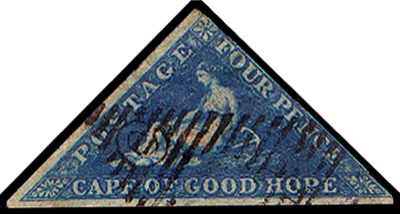
The app looks at the photo you take and compares its visual features against a large set of known stamp designs. It is looking at the same things a human cataloger would: the portrait or central image, the frame design, the denomination, the country name or monogram, and the overall color palette.
Once it narrows the design down to a likely match, it presents the candidate issue or issues so you can confirm which one fits. This is especially useful for countries that used their name in a script or alphabet you don't recognize, which is one of the more common hurdles when trying to identify a stamp's country of origin.
What it cannot do is replace physical measurement. Perforation gauges still measure in units per 2 centimetres, and a watermark still needs to be checked by holding the stamp to light or using watermark fluid. A photo match gets you to the right catalog entry; the fine points that separate one variety from another often depend on these physical checks.
What can a stamp scan actually tell you?
Try the free stamp scanner
Photograph any stamp and let StampScan identify it and add it to your digital collection.
Get StampScan FreeA good scan result should tell you the country of origin, the likely series or set, the approximate year of issue, and a probable catalog number cross-referenced against major references like Scott, Stanley Gibbons, or Michel. That is enough to know what you are holding and where it fits in your collection.
What it will not tell you is a price. Two stamps that look identical to a camera can be worlds apart once you factor in centering, gum condition, and whether the stamp is MNH or MH. Those distinctions matter more to a stamp's desirability than the design alone, and no photo-matching tool substitutes for hands-on grading. If you're trying to work out what a stamp might be worth after identifying it, the guide to determining stamp value covers the next steps.
A scanner is also only as good as the photo you give it. Even lighting, a plain background, and a straight-on angle produce the most reliable matches. Avoid shadows across the design and avoid photographing through a glassine envelope if you can help it, since the slight haze can obscure fine details the app relies on.
Where scanning fits with traditional catalog work
Even experienced collectors who know their catalogs well use a scanner as a shortcut, not a replacement. It is much faster to let an app narrow a stamp down to three possible matches than to search an entire country's catalog section by eye. From there, you confirm the match manually, checking the fine printed details a catalog listing calls out, such as perforation type or a specific plate number.
This mirrors how identification has always worked: narrow the field first, then confirm by hand. Reference catalogs organize stamps by country and then by issue for exactly this reason. A scanner just automates the narrowing step.
Why can't a scanner replace grading and authentication?
Grading depends on physical condition: centering, gum, any thinning or creasing, and the sharpness of the perforations. These are judgments about the individual stamp in front of you, not about which design it matches. Two copies of the same issue can be identified as the same stamp by a scanner and still be grades apart in condition, because grading is about the specific object, not the printed design.
Authentication is a similar story. Forged or altered stamps are made to visually resemble the genuine article, which is precisely what a photo match is comparing. Catching a forgery usually means checking paper texture, watermark presence, and perforation measurements, the kind of detail work covered in how to spot fake stamps. A UV lamp can reveal repairs or paper substitutions that a normal photo never will.
Because of this, treat scan results as a strong first identification, not a final verdict. For anything that looks scarce or unusual, cross-check against a printed catalog and consider a second opinion before assuming you have found something exceptional. Famous rarities like the Inverted Jenny or the British Guiana 1c magenta are well documented precisely because their identifying details have been scrutinized for generations, not because they simply looked distinctive in a photo.
How do you get the best results from a stamp scanner?
Start with a clean, flat surface and diffused light, ideally natural daylight without direct glare. Lay the stamp on a plain background so the app isn't trying to separate the stamp's edges from a busy pattern behind it. Fill the frame with the stamp rather than photographing it from a distance.
Handle the stamp with stamp tongs rather than your fingers, both to avoid oils that damage the paper and to make it easier to position the stamp precisely for the photo. If you're scanning stamps still attached to a page or a stockbook, try to photograph each one individually rather than as a group, since overlapping designs confuse the matching process.
Once you have an identification, log it. Whether you use a hingeless album, a stockbook, or a spreadsheet, record the catalog number, condition notes, and whether the stamp uses a stamp hinge or stamp mount for mounting. This turns a one-off scan into a permanent, searchable part of your collection record, which matters far more once your collection grows past a few dozen stamps. For anyone just getting their system in place, the beginner's guide to stamp collecting covers the basic tools worth having on hand before you start scanning in bulk.
When is a scanner most useful?
Scanning earns its keep most clearly when you are working through volume: an inherited box of loose stamps, an old accumulation bought as a lot, or a stockbook full of unsorted foreign issues. Instead of paging through catalog after catalog by country, you can sort a large pile quickly and flag the handful that deserve closer manual attention.
It is also useful for stamps in scripts or with country names you don't recognize on sight, since matching visual design avoids needing to read the text at all. Once the country and issue are identified, everything else, from checking perforations to comparing watermark types, follows the normal process any collector would use on a known stamp.
Try the free stamp scanner
Photograph any stamp and let StampScan identify it and add it to your digital collection.
Get StampScan FreeHow does a stamp scanner actually identify a stamp?
It compares the photo you take against a large database of known stamp designs, matching color, layout, denomination, and printed text. It narrows candidates down using visual features the same way you would flip through a catalog looking for a match, just much faster.
Can a stamp scanner tell me what my stamp is worth?
No. A scanner identifies the stamp so you know its country, series, and issue year. Value depends on condition, centering, watermark variety, and demand, which require separate grading and pricing research, not a photo match.
Do I need special lighting or equipment to scan a stamp?
No special equipment is required. Even, diffused light and a plain background are enough for most scans. A UV lamp and watermark fluid remain separate tools for checking paper and watermark details a camera photo cannot capture.
Will a stamp scanner detect fakes or reprints?
A scanner can flag a design as matching a known issue, but detecting forgeries usually requires checking paper, perforation gauge measurements, and watermarks by hand, since fakes are built specifically to fool a visual match.
What should I do after the scanner identifies my stamp?
Record the catalog match, note the condition, and store the stamp properly. Cross-check the identification against a printed catalog if the stamp looks scarce, and consider expert review before assuming a rare variety.