A stamp identifier gratis (free) tool can narrow down a stamp's country, era, and design quickly, but accurate identification still depends on checking watermark, perforation, and condition by hand.
A stamp identifier gratis (free) tool lets you photograph a stamp and get an instant match on its country, design, and likely issue date, without paying for an appraisal or a catalogue subscription. The best free options combine a photo-matching app with a few manual checks you can do at home.
What can a free stamp identifier actually do?
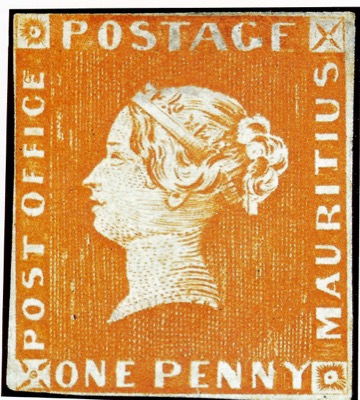
A free identifier compares your stamp's image against a large reference set of known designs and returns the closest matches. This is usually enough to tell you the issuing country, the general series, and a rough date range within seconds. For common stamps, that first match is often exact.
What it cannot do reliably for free is separate look-alike printings of the same design. Many countries reissued a design over several years, changing only the paper, the watermark, or the perforation gauge. A photo alone often cannot show those differences, so the app narrows the field and you finish the job with a loupe, a perforation gauge, or a watermark check.
How do I identify a stamp for free step by step?
Try the free stamp scanner
Photograph any stamp and let StampScan identify it and add it to your digital collection.
Get StampScan FreeStart with a clean photo, then work through a short checklist before you trust the result.
- Photograph the front in even light: avoid glare and shadows so the design, colour, and lettering are sharp.
- Run it through a stamp scanner app: this gives you a candidate country, series, and date range.
- Check the perforation: measure holes per 2 centimetres with a gauge to separate printings that share a design. See the perforation guide for how this is done.
- Check for a watermark: hold the stamp face-down over a dark surface, or use watermark fluid or a UV lamp if the paper is too opaque to read by eye.
- Confirm against a catalogue number: once you have design, perforation, and watermark, cross-reference a Scott, Stanley Gibbons, or Michel number to confirm the exact printing.
This sequence costs nothing but a little time, and it is the same process professional graders use, just without the paid tools.
Why isn't a photo match always enough?
Design alone tells you what picture is on the stamp, not which printing it came from. The Penny Black, for example, was printed from plates 1 through 11, each with tiny differences in the corner letters, and the general design stayed the same throughout. A photo match will correctly identify "Penny Black" but won't tell you the plate number without closer inspection. The same is true for classic definitives from many countries: one design, several watermarks, several perforation gauges, issued across years.
This is also why country identification sometimes needs more than the picture. Overprints, surcharges, and shared colonial designs mean the image can look identical across two different issuing territories. If your stamp came without its original album page or notes, a visual guide to identifying a stamp's country of origin is a useful next step alongside the app result.
Does a free identifier replace grading and cataloguing?
No, and it isn't meant to. Identification tells you what the stamp is. Grading tells you what condition it's in, which matters just as much for how you catalogue and store it. Centering, gum condition (MNH versus MH), and any thinning or tears all affect how a stamp should be described in your collection records, even if you never plan to sell it.
Once you know what a stamp is, the practical next steps are the same ones every collector eventually does by hand:
- Grade the centering and surface condition using a condition grading guide.
- Record the catalogue number, watermark, and perforation in your inventory.
- Store the stamp properly in a stockbook, hingeless album, or glassine envelope, handled only with stamp tongs to avoid damage.
Skipping straight from "identified" to "assumed valuable" is a common mistake. Plenty of very old stamps were printed in huge numbers and remain common; identification and condition, not age, are what actually distinguish a stamp worth a closer look. If you're new to this process entirely, the beginner's guide to stamp collecting covers the basics of building good habits from the start.
What should I look for in a free stamp identifier app?
Not all free tools are equally useful. A good one should give you:
| Feature | Why it matters |
|---|---|
| Photo-based matching | Fastest way to narrow thousands of possible designs down to a handful |
| Country and era estimate | Lets you find the right catalogue section quickly |
| No forced valuation claims | Identification and pricing are separate problems; a tool that guesses a price without seeing condition is guessing |
| Exportable notes | Useful for building a running inventory as your collection grows |
The app works this way: it identifies stamps from a photo for free, gives you country and series information to work from, and leaves grading and pricing to a proper visual inspection. That division of labor matches how experienced collectors actually work, and it avoids the trap of trusting a single automated number for something as condition-sensitive as a stamp's worth.
What's a sensible free workflow for a whole collection?
If you've inherited or accumulated a large batch of unsorted stamps, don't try to fully catalogue each one before you've done a first pass. Photograph and identify everything first, sorting into rough piles by country or era. Then go back through with a perforation gauge and watermark check only for the stamps that look genuinely old, unusual, or duplicated in a way that suggests a printing variety worth distinguishing.
This two-pass approach, identify everything cheaply and fast, then investigate closely only where it matters, keeps a large project manageable without spending money you don't need to spend. It's the same logic covered in guides on inheriting a stamp collection: get organized and identified before worrying about anything else.
Try the free stamp scanner
Photograph any stamp and let StampScan identify it and add it to your digital collection.
Get StampScan FreeIs there a truly free way to identify stamps?
Yes. Photo-based identification apps, including the app, offer free scanning that matches your stamp's design against a reference database. This gives you country, likely issue, and approximate date at no cost, though confirming rare varieties may still require a catalogue or watermark check.
Can a free stamp identifier tell me what my stamp is worth?
No free tool can reliably price a stamp, because value depends on exact condition, centering, and demand at the time of sale. A free identifier tells you what the stamp is; pairing that with grading and a current catalogue gives you a realistic value range.
What information does a stamp identifier gratis actually need?
A clear, well-lit photo of the front is usually enough for a first pass. For a confident identification you also want to see the back for gum condition, and ideally check the watermark and perforation gauge, since many designs were reprinted with small differences.
Why do two similar-looking stamps get identified differently?
Postal authorities often reused a single design across several years with different watermarks, perforations, or paper types. A photo identifier catches the design match instantly, but distinguishing the specific printing usually needs a watermark or perforation check.