Grading matters because two examples of the same stamp can be worlds apart once centering, gum, and paper condition are taken into account, and learning to grade accurately protects both identification and long-term care of a collection.
Why grading matters comes down to one fact: two stamps that look identical at a glance can be worlds apart once you examine centering, gum, and paper condition closely. The grade you assign, or that a dealer assigns, shapes how a stamp is described, stored, and compared against catalog listings.
What does grading actually measure?
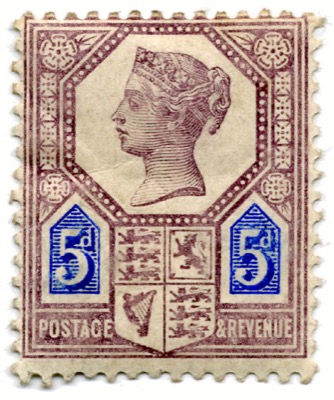
Grading is a structured way of describing a stamp's physical condition using a shared vocabulary, so that two collectors on opposite sides of the world mean the same thing when they say a stamp is "fine" or "superb." It is not a judgment about rarity or age. A stamp printed last year and a stamp printed in the nineteenth century are graded by the same criteria: how well the design sits within its margins, whether the paper is sound, and whether the gum (on mint stamps) is intact.
The main factors a grader checks are:
- Centering: how evenly the printed design sits within the perforations or margins
- Perforations: whether teeth are complete, straight, and undamaged
- Gum condition: whether the stamp is MNH (mint never hinged) or MH (mint hinged), and whether original gum survives at all
- Paper condition: thins, creases, tears, or foxing that reduce structural integrity
- Color freshness: whether the ink has faded or shifted from light exposure
If you're new to this process, the stamp condition grading guide walks through each of these factors with visual benchmarks.
Why does grading matter more than most people assume?
Try the free stamp scanner
Photograph any stamp and let StampScan identify it and add it to your digital collection.
Get StampScan FreeIt matters because condition, not age, is usually the deciding factor in how a stamp is regarded. A stamp from the 1840s in poor condition can be less desirable than a well-centered mint stamp from decades later. Collectors and dealers alike lean on grading vocabulary because it lets them compare stamps consistently across a catalog like Scott, Stanley Gibbons, or Michel, each of which lists stamps by type and often notes typical condition expectations for that issue.
Grading also protects you from misidentifying a stamp's status. Two copies of the same design and printing can carry very different classifications once you check centering under a loupe or examine the gum under raking light. This is part of why learning to spot fakes and learning to grade condition go hand in hand — both require close, methodical examination rather than a glance.
Historic issues make the point clearly. Stamps like the Inverted Jenny or the British Guiana 1c magenta are extraordinary because of what they specifically are, but even within a single famous issue, condition varies from copy to copy, and that variation is exactly what grading exists to describe. The same logic applies to something as ordinary as a modern definitive: two copies from the same sheet can still differ once you check margins and gum.
How do you check centering accurately?
Centering is judged by comparing the width of the margins on all four sides of the design. A perfectly centered stamp has equal margins all around; a poorly centered one has the design crowding one edge, sometimes touching or cutting into the perforations. This single factor is often the fastest way to separate an average copy from a fine one, even before you look at gum or paper.
To check centering properly:
- Place the stamp face up on a clean, flat surface under good light
- Use a loupe to examine each margin in turn
- Compare opposite margins (top vs. bottom, left vs. right) rather than judging by eye alone
- Note whether the design touches or crosses into the perforation line on any side
Perforations themselves deserve a careful look too, since a shortened or blunted tooth changes the grade even if centering is otherwise excellent. The stamp perforations guide explains how to measure perforation gauge sizes using the standard 2 centimetre measurement span, which is also useful for distinguishing between similar-looking issues.
Why does gum condition change the grade so much?
For mint stamps, gum is one of the most sensitive parts of the grading process. MNH stamps retain gum exactly as it left the printer, with no hinge ever applied. MH stamps carry evidence of a stamp hinge, which can range from a faint hinge mark to a noticeable thin spot where the paper was disturbed. Collectors who bought stamps decades ago, before hingeless albums became standard, often find their older mint stamps are MH rather than MNH simply because hinging was the normal mounting method at the time.
When examining gum, look for:
- Even sheen and coloring across the entire back of the stamp
- No disturbed patches, which indicate a hinge was removed
- No regumming, which is sometimes used to disguise a hinge remnant and can be detected under a UV lamp
- No aging discoloration, sometimes called gum toning
A stamp mount, rather than a hinge, is the standard modern way to display mint stamps without touching the gum at all, which is why hingeless albums have become the default recommendation for anyone building or reorganizing a collection.
How does grading connect to identification and storage?
Grading only works once you're certain what stamp you're actually looking at. A watermark check, a perforation measurement, and a country-of-origin confirmation should all come before you assign a grade, since misidentifying the stamp means comparing it to the wrong catalog listing entirely. The app can help confirm the identity of a stamp from a photo, narrowing down the printing, watermark, or plate number (useful for early issues printed from plates 1–11) before you assess its condition.
Once you know what you have and how it grades, storage becomes part of preserving that grade. Stamps left loose in a drawer or a glassine envelope with rough handling will degrade faster than stamps kept in a stockbook or hingeless album with acid-free pages. Handling with stamp tongs rather than fingers prevents the oils and pressure that cause thinning and gum damage over time. The storage and preservation guide covers the materials worth investing in if you want a grade to hold steady for decades rather than slowly slipping as paper ages or gum discolors.
Grading is not a one-time exercise. Revisiting your collection periodically, checking for new foxing, gum toning, or paper stress, keeps your records accurate and your stamps properly cared for.
Try the free stamp scanner
Photograph any stamp and let StampScan identify it and add it to your digital collection.
Get StampScan FreeWhy does grading matter more than age for a stamp?
Age alone does not make a stamp desirable. Millions of old stamps survive in average condition, so a well-centered example with sound gum stands out precisely because most surviving copies are not that fine, regardless of how old the stamp is.
What is the difference between MNH and MH?
MNH (mint never hinged) means the gum is entirely undisturbed and no hinge was ever applied. MH (mint hinged) means a stamp hinge was used at some point, leaving a mark or thinning in the gum. MNH is graded higher than MH.
Do Scott, Stanley Gibbons, and Michel grade stamps the same way?
No. Scott, Stanley Gibbons, and Michel are catalogs, not grading bodies, and each describes condition using its own terms and conventions. A grade quoted from one system does not automatically translate to another, so always check which catalog a description refers to.
Can I grade my own stamps accurately at home?
Yes, with practice and the right tools. A perforation gauge, watermark tray, UV lamp, and good lighting let you check centering, gum, and paper condition yourself. Comparing against reference images and using an identification app can help confirm what you are looking at before you grade it.