Stamp condition ratings run from Poor to Superb based mainly on centering, margins, gum, and the presence of faults, and learning to read them accurately is the foundation of cataloguing and comparing any stamp.
Stamp condition ratings describe how close a stamp comes to perfect, using a scale that runs from Poor up through Good, Fine, Very Fine, Extremely Fine, and Superb, combined with a separate note on gum condition such as MNH or MH. The rating is built from several specific things you can check yourself with a loupe and steady light, not from one number.
What do the standard grade names actually mean?
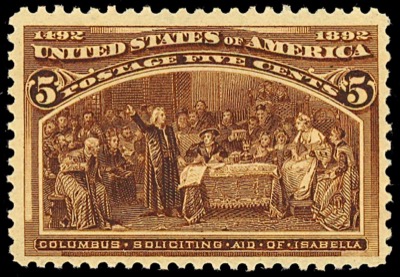
Most catalogues and dealers use a version of the same ladder. Each step up means better centering, cleaner perforations, and fewer faults.
| Grade | What it looks like |
|---|---|
| Superb | Design perfectly centered, margins essentially equal on all sides |
| Extremely Fine | Very well centered, margins close to equal with only minor variation |
| Very Fine | Noticeably off-center but design clear of the perforations on every side |
| Fine | Visibly uneven margins, design may touch the perforations on one side |
| Good | Design cuts into the perforations on at least one side |
| Poor | Major faults, heavy staining, tears, or the design cut off |
Split grades like "Fine-Very Fine" or "Very Fine-Extremely Fine" exist because most stamps do not land cleanly on one line of this table. A stamp that is well centered top-to-bottom but slightly tight on one side is a normal, honest example of a split grade, not a flaw in the grading system itself.
Why does centering matter more than anything else?
Try the free stamp scanner
Photograph any stamp and let StampScan identify it and add it to your digital collection.
Get StampScan FreeCentering is how evenly the printed image sits inside its perforated margins, and it is the first thing any experienced eye checks. Two stamps from the same printing, same plate, same year can carry very different ratings purely because one sheet was fed a millimetre off during perforating. This is also why plate position matters to some collectors — see plate block collecting for how position on the original sheet connects to condition.
To judge centering properly, look at all four margins under even light and compare their width by eye, then confirm with a straightedge if the difference looks close. A perforation gauge, the same 2 centimetre measuring tool used to count perf holes, is worth having on the desk anyway — see the guide to stamp perforation for how to use one. Perforations that are uneven or torn on one side will drag a grade down regardless of how good the centering looks.
How does gum condition factor into the rating?
Gum status is graded separately from centering, then reported alongside it. The main categories are MNH (mint, never hinged — full original gum, untouched), MH (mint, hinged — original gum with evidence a stamp hinge was once applied), and used. A stamp described as "Very Fine, MNH" is telling you two different things at once: the centering grade, and the gum condition.
Hinge remnants, thins, and regumming all sit inside this second axis. A thin — a thinned patch of paper on the back, often from a hinge removed carelessly — can lower a stamp's assessed condition even if the front looks flawless. Regumming, where new gum is applied to an old stamp to imitate MNH, is a known issue and one reason a UV lamp is a standard tool for closer inspection, alongside checking for it the way you would check for a watermark or other hidden feature.
What other faults affect a stamp's grade?
Beyond centering and gum, graders look for:
- Tears and creases: even a short tear or a light crease drops a stamp well below Fine, regardless of centering
- Stains and toning: foxing spots or gum staining that show through the front reduce the grade
- Missing perforation teeth: a short perf or two is common and only a minor issue; several missing teeth on one side is more serious
- Fading or heavy cancellation: a cancel that obscures much of the design counts against a used stamp's condition
- Repairs: filled thins, added perforations, or reattached pieces should always be disclosed and will lower the grade sharply once identified
Catalogues like Scott, Stanley Gibbons, and Michel each price and describe stamps against their own numbering systems, and their guidance on condition largely lines up with this same ladder, even where the exact wording differs slightly between them.
How do professional graders differ from eye judgment?
A trained eye with a loupe and a gauge can place most stamps within one grade of where a professional service would land them. The gap shows up on borderline cases: a stamp that looks Extremely Fine but has a barely visible thin, or one where regumming is subtle enough to fool a quick check. This is where the difference between grading systematically and just eyeballing a stamp becomes obvious — a repeatable process catches things a glance misses.
Rarity and condition compound each other. The British Guiana 1c magenta and the Inverted Jenny are both famous partly because their scarcity puts every surviving example under intense scrutiny — condition differences that would barely register on a common stamp become significant when only a handful of examples exist at all.
How should you record a condition rating once you've made one?
Write it down the way catalogues do: grade first, then gum status, then any notable fault. "Fine-Very Fine, MH, light crease upper right" tells a future buyer or your own future self everything needed at a glance. Keep this note with the stamp, whether that's a stockbook page, a mount card, or a digital record.
The app can help here by identifying the stamp precisely first, so the grade you record is attached to the correct catalogue number and variety rather than a guess. Store the physical stamp in a glassine envelope or a hingeless album to protect the very condition you just assessed — a careful grade is only useful if the stamp doesn't degrade the week after you write it down. For the storage side of this, see the full guide to storing and preserving a collection.
Consistent grading habits pay off across an entire collection, not just on individual stamps. Once you can reliably tell Fine from Very Fine on sight, comparing stamps, tracking condition over time, and building an accurate inventory all get faster and more trustworthy.
Try the free stamp scanner
Photograph any stamp and let StampScan identify it and add it to your digital collection.
Get StampScan FreeWhat are the main stamp condition ratings?
The standard scale runs from Poor and Fair at the bottom through Good, Fine, Very Fine, Extremely Fine, and Superb at the top. Some catalogues insert Fine-Very Fine and Very Fine-Extremely Fine as split grades between the main steps, since most stamps fall between two categories rather than fitting one exactly.
What does centering mean in a condition rating?
Centering describes how evenly the printed design sits within its margins. A Superb stamp has margins so even they look machine-measured; a Good stamp may have the design touching or cutting into the perforations on one side. Centering is usually the single biggest factor separating adjacent grades.
Does gum condition affect the rating separately from centering?
Yes. A stamp's overall grade usually combines a centering grade with a separate note on gum and faults, such as MNH, MH, or regummed. Two stamps with identical centering can carry very different overall assessments if one has original gum and the other has a thin or a hinge remnant.
Can I grade a stamp accurately without a certificate?
You can get close using a perforation gauge, a magnifier, and good lighting to check centering, perforations, and surface condition against reference images. For stamps where the rating materially changes how the stamp is catalogued or compared, a professional opinion adds certainty that eye judgment alone cannot.