A practical comparison of stockbooks, hingeless albums, stamp mounts, and glassine envelopes to help collectors choose storage that protects stamps and keeps a collection organized.
The best stamp storage solutions are a hingeless album for your main collection, a stockbook for overflow and duplicates, individual mounts for mint stamps, and glassine envelopes for sorting and temporary storage. Which combination you need depends on how much of your collection is mint versus used, and how much handling it gets.
Storage is not a side detail of stamp collecting. It is one of the two things, along with correct identification, that decides whether a stamp still looks good in twenty years. A rare stamp stored badly loses condition fast, and condition is most of what a grader or buyer actually looks at. Getting storage right from the start is cheaper and easier than fixing damage later.
What's the difference between a stockbook and an album?
A stockbook has rows of glassine or plastic strips across each page, and you simply slide stamps in without hinging or mounting them. It is fast, flexible, and ideal for stamps you haven't catalogued yet, duplicates, or a working collection that changes often. Nothing is fixed in place, so you can reorganize constantly.
A proper album, especially a hingeless album, has pre-printed pages for specific issues with cut-out mounts already in place. You drop each stamp into its designated spot. This is slower to set up but far better for a finished, organized collection you want to display or study by country and issue. Most serious collectors use both: a stockbook for triage and a hingeless album for the collection proper. If you're just working out which approach suits your collection, the guide to stamp albums and supplies covers the main options in more depth.
Should I use hinges or mounts?
Try the free stamp scanner
Photograph any stamp and let StampScan identify it and add it to your digital collection.
Get StampScan FreeA stamp hinge is a small folded piece of gummed paper that attaches a stamp to an album page. It's cheap and traditional, but it touches the gum on the back of the stamp, which matters for anything sold or graded as MNH (mint, never hinged). Once a hinge has been used, the stamp can only ever be MH (mint, hinged) at best, and that distinction affects how a stamp is catalogued.
A stamp mount is a clear plastic or acetate sleeve, usually backed with black card, that holds the stamp by its edges instead of gumming the back. Mounts are the safer choice for any mint stamp, and increasingly the default choice for used stamps too, since they don't touch the paper at all. Hinges are still fine for common used stamps where gum condition is irrelevant and cost matters more.
Whichever you use, always move stamps with stamp tongs rather than fingers. Skin oils cause spotting over time, and fingers can also crease thin, older paper. Tongs cost little and prevent the single most common form of accidental damage in home collections.
How should I store loose or unsorted stamps?
Glassine envelopes are the standard for stamps that are cataloged but not yet mounted, or for duplicates you're keeping aside. Glassine is acid-free and semi-transparent, so you can identify what's inside without opening the envelope and touching the stamp. Label each envelope by country, issue, or catalogue reference as you go, using a numbering system from Scott, Stanley Gibbons, or Michel, whichever catalogue you use for identification.
Avoid ordinary paper envelopes for long-term storage, since many contain acids that migrate into the stamp over years and cause discoloration. Also avoid regular plastic sandwich bags, which can trap moisture and static, both of which damage paper and gum over time.
If you're building an organized system from scratch, it helps to decide your storage hierarchy before you have hundreds of stamps to reshuffle: glassine for intake and sorting, stockbook for stamps awaiting a permanent home, album with mounts for the finished collection. The full storage and preservation guide walks through setting this up step by step.
What conditions damage stored stamps?
Light, heat, and humidity are the three enemies of stored stamps. Direct sunlight fades ink and yellows paper within months. High humidity encourages mold and causes stamps to stick to album pages or to each other. Heat accelerates all chemical breakdown in paper and gum.
Keep albums and stockbooks upright on a shelf in a room with stable temperature, away from exterior walls, attics, basements, and anywhere near a radiator or window. A closet inside a climate-controlled home is usually better than a dedicated display shelf in a sunny room. Never store stamps flat in stacks under weight, since this can cause the gum to transfer between stamps or pages.
A UV lamp is worth owning, not for storage itself but for periodic condition checks: it reveals repairs, thins, and paper alterations that are invisible in normal light. Check high-value stamps once a year to catch any developing problem early, before it worsens in storage.
How do I keep a growing collection organized?
The moment a collection stops being organized, small damage becomes easy to miss and duplicates pile up unnoticed. A consistent system matters more than an expensive one:
- Sort by country and issue first, since this matches how catalogues and albums are structured, and makes gaps in your collection obvious.
- Record centering and condition as you file each stamp, so you're not re-examining the same stamp repeatedly later. See the condition grading guide for a consistent scale to use.
- Keep a simple inventory, even a spreadsheet, noting catalogue number, condition, and which album page or stockbook holds each stamp.
- Separate covers from loose stamps, since covers need flat, uncreased storage in their own boxes or sleeves rather than album mounts.
An app that identifies a stamp from a photo can speed up this sorting process considerably, since it narrows down the country, issue, and likely catalogue number before you commit a stamp to a specific album page. That's the exact gap the app fills: quick identification so your physical storage decisions are based on the right catalogue entry the first time.
What about historically significant or fragile stamps?
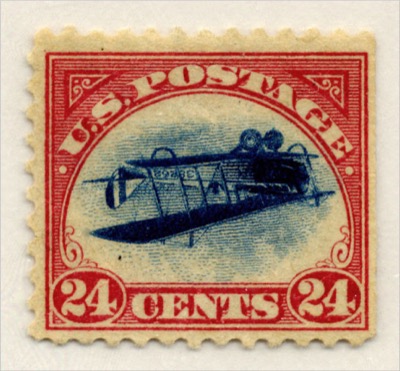
Some stamps deserve extra care beyond a standard mount. Anything printed on thin or brittle paper, anything with a documented watermark you want to preserve for identification, or any stamp connected to famous issues like the Inverted Jenny or the British Guiana 1c magenta should go into individual mounts, never touched directly, and stored separately from the rest of the album where handling is less frequent.
For these, consider a dedicated small stockbook or single-stamp mounts kept in a separate binder, so casual browsing of your main collection never puts your most fragile or significant pieces at risk. The goal of storage is always the same regardless of value: minimize handling, control light and humidity, and keep records so you always know exactly what you have and where it is.
Try the free stamp scanner
Photograph any stamp and let StampScan identify it and add it to your digital collection.
Get StampScan FreeWhat is the best storage for valuable stamps?
A hingeless album with pre-cut mounts is generally the safest choice for valuable stamps, since the stamp is held by its edges rather than gummed to a page. Store the album upright in a stable, dry environment away from direct light.
Should I use stamp hinges or mounts?
Stamp hinges are fine for common used stamps where original gum does not matter, but they leave a mark and reduce value on mint stamps. Mounts protect MNH and MH stamps without touching the gum, so use mounts whenever the stamp's condition matters.
Are glassine envelopes safe for long-term storage?
Glassine envelopes are safe for medium-term storage and sorting, since the material is acid-free and semi-transparent for easy viewing. For long-term display or reference, most collectors move stamps from glassine into a stockbook or album instead.
How do I stop stamps from getting damp or damaged in storage?
Keep albums and stockbooks upright on a shelf, away from basements, attics, and exterior walls where humidity swings are largest. A stable room temperature, low humidity, and darkness away from direct sunlight will prevent most mold, foxing, and fading problems.
Can I store stamps still attached to envelopes or covers?
Yes, covers and first day covers should be stored flat in dedicated cover boxes or archival sleeves rather than folded into an album page. Folding creases the paper permanently, so flat storage is the only way to keep a cover in original condition.