A postage stamp scanner uses your phone's camera and image recognition to match a stamp's design, colour, and layout against a reference database so you can identify it quickly, though you still need a loupe, gauge, and watermark check to confirm details like perforation, watermark, and printing variety.
A postage stamp scanner is a phone app that photographs a stamp and matches its design, colour, and layout against a reference database to tell you what it is. It speeds up the first, hardest step of cataloguing: figuring out what you're actually looking at before you grade it, store it, or research its variety.
How does a postage stamp scanner actually work?
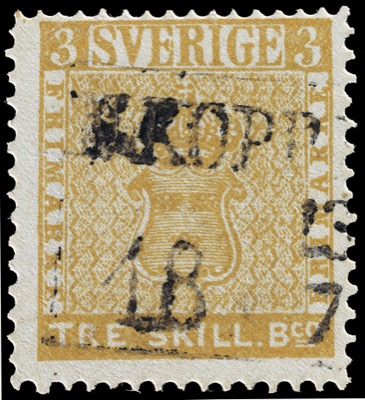
Most scanners use image recognition trained on large sets of known stamp designs. When you photograph a stamp, the app looks at shape, colour, printed text, and overall layout, then compares that pattern against its database to propose the closest matches. This is different from how a human expert works, but it covers the same ground much faster: narrowing thousands of possible issues down to a handful of likely candidates.
The app can usually tell you the country of origin, the approximate issue date, and the design or series name. What it cannot do from a photo alone is measure a perforation gauge in tenths, or detect a watermark that requires watermark fluid or a UV lamp to see. Those steps still happen by hand, after the scan narrows the field.
What can a stamp scanner identify from a single photo?
A clear, well-lit photo gives a scanner enough to work with for most of the identification job:
- Country of origin: based on language, currency symbols, and design conventions specific to that nation's printing office.
- Design and series: matching the portrait, monument, or theme against known issues.
- Approximate date range: based on printing style, paper type visible in the photo, and design era.
- Likely catalogue family: a starting point for cross-checking against Scott, Stanley Gibbons, or Michel numbering.
What it typically cannot resolve on its own: exact perforation measurement (you still need a gauge and the standard 2 centimetres reference span), watermark presence, or fine printing plate differences. For a deeper look at how the underlying technology handles these limits, see our guide to the AI stamp identifier.
Why does a scan sometimes get the identification wrong?
Three things cause most misidentifications: poor lighting that washes out fine detail, a cropped photo that cuts off a corner letter or plate mark, and stamps that share a nearly identical design across related issues from the same printing house. Reflections and glare are a common culprit, especially with glossy modern stamps or protective sleeves left on during the photo.
The fix is usually simple: retake the photo flat, in even natural light, against a plain background, with the whole stamp visible and no shadow across the design. If the scanner still returns multiple candidates, that's normal for stamps issued in long-running series with subtle differences between printings. At that point, cross-referencing corner letters, plate numbers, or a stamp watermark check will settle which one you actually have.
How does a scanner fit into full stamp identification?
Think of a scanner as the first pass, not the final word. A typical identification workflow looks like this:
- Photograph and scan the stamp to get a shortlist of likely issues.
- Check perforations with a gauge against the candidates the scanner suggested. See our stamp perforation guide for how to measure accurately.
- Check for a watermark if the candidate issues are known to exist both with and without one.
- Confirm against a printed or digital catalogue using Scott, Stanley Gibbons, or Michel numbering, since these systems track minor variety differences a photo can't show.
- Grade the condition once identification is settled, since centering, gum, and any faults determine how the stamp should be stored and catalogued.
This sequence matters because identification and condition assessment are genuinely separate tasks. A scanner narrows down what the stamp is; grading tells you what shape it's in. Our stamp condition grading guide covers how to assess centering, gum, and faults once you know exactly which stamp you're holding.
What tools should you pair with a scanner?
A scanner reduces but doesn't eliminate the need for basic tools. A loupe or magnifier remains essential for reading corner letters and plate numbers; our guide on how to use a stamp magnifier covers the right technique. Stamp tongs prevent oils and pressure damage while you position a stamp for a photo or under a gauge, which our stamp tongs guide explains in detail.
Once a stamp is identified, where you put it matters just as much. A stockbook or hingeless album keeps identified stamps organised by country or catalogue number, while a stamp hinge or stamp mount determines whether the item stays classified as MNH or MH, a distinction that affects both grading and how you record it. A glassine envelope is useful for loose stamps awaiting identification, keeping them separated without adding adhesive residue. For a full rundown of options, see best stamp storage solutions.
Is a free stamp scanner good enough to start with?
For most collectors sorting through a box of mixed stamps, a free scanner is a reasonable starting point. It handles the bulk identification work: telling common issues apart from each other, flagging country and rough date, and letting you set aside anything unusual for closer study. It will not replace a catalogue check for a stamp you suspect is scarce or unusual, and it will not tell you what something is worth.
If you've just inherited a collection or are unsure where to begin, our guide on what to do with an inherited stamp collection walks through the sorting and identification process before you think about value at all. Identification always comes first. Once you know exactly what you're holding, down to the printing, watermark, and perforation, everything else, from grading to storage to research, follows naturally.
What is a postage stamp scanner?
It is a tool, usually a phone app, that photographs a stamp and compares its design, colour, and shape against a reference database to suggest what stamp it is. It works from visual pattern matching rather than physically reading perforations or watermarks.
Can a postage stamp scanner tell me what my stamp is worth?
No. Identification and valuation are separate tasks. A scanner can narrow down the issue, country, and likely catalogue entry, but value depends on condition, centering, gum state, and market demand, which require separate research or a dealer's opinion.
Do I still need a magnifier and watermark detector if I use a scanner?
Yes. A scanner reads what a camera can see: colour, design, and rough layout. It cannot measure perforation gauge or detect a watermark through paper, so a loupe, perforation gauge, and UV lamp remain necessary for full identification.
Why does my scanner suggest the wrong country or issue?
This usually happens with lighting glare, a cropped or angled photo, or a stamp design shared across similar issues from the same printer. Retake the photo in even light against a plain background and try again.
Is a free postage stamp scanner accurate enough for cataloguing?
A free scanner is a good first pass for narrowing down country, era, and design. For final catalogue numbers you should still cross-check against Scott, Stanley Gibbons, or Michel listings, since scanners can miss minor plate or printing differences.