This article explains how to hold and use stamp tongs correctly so collectors can handle stamps without damaging them.
To use stamp tongs safely, hold them like a pencil, grip the stamp gently by its edge rather than its center, and lift straight up without dragging or twisting. This keeps oils, moisture, and finger pressure away from the paper and gum, which is the whole point of using tongs in the first place.
Stamp tongs look like tweezers, but they are built specifically for paper, not skin or hair. Using the wrong grip, the wrong tip shape, or too much pressure can crease, tear, or scratch a stamp just as easily as bare fingers can. This guide covers how to choose the right tongs, hold them correctly, and avoid the mistakes that damage stamps before you even get to grading or storing them.
Why do stamps need tongs instead of fingers?
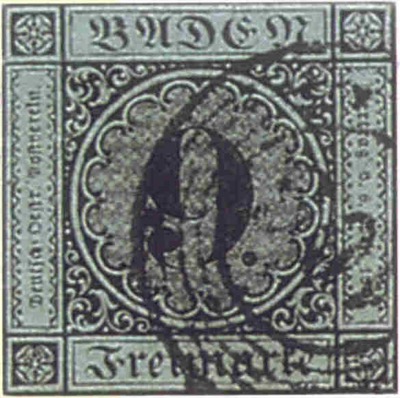
Skin carries natural oils and moisture, even after washing your hands. Over repeated handling, that residue transfers to paper and gum, leaving faint stains that show up years later, especially on mint stamps still carrying MNH or MH gum. Fingers also apply uneven, hard-to-control pressure. A stamp held between finger and thumb can crease at the corner without you feeling it happen.
Tongs solve both problems. Their flat metal tips don't absorb or transfer oils, and a properly held pair distributes pressure evenly along the tip rather than concentrating it at one point. This matters most for thin, older paper and for stamps you plan to grade for centering, since a single crease can drop a stamp several grades on inspection.
Which type of stamp tongs should you use?
Try the free stamp scanner
Photograph any stamp and let StampScan identify it and add it to your digital collection.
Get StampScan FreeTongs come in a few standard tip shapes, and the shape you choose depends on what you're handling:
- Spade tip: Rounded, flat, and blunt. The safest general-purpose choice for beginners and for handling most stamps in a collection.
- Round tip: Similar to spade tips but slightly more pointed. Good for precise placement, such as positioning a stamp into a stockbook or hingeless album.
- Pointed tip: Sharper and more precise, useful for separating stamps in a dense pile or lifting a single stamp from a stack without disturbing the others. Riskier in inexperienced hands.
- Scissor/serrated tip: Designed to grip firmly without slipping, sometimes used for larger covers or thicker paper. Not recommended for delicate or valuable single stamps.
For most home collectors, one pair of spade-tip tongs handles nearly everything. If you also collect covers or plate blocks, a second, slightly more pointed pair is worth adding — see our guide on plate block collecting for handling considerations specific to multiples.
How do you hold and grip stamp tongs correctly?
Hold tongs the way you'd hold a pencil: resting between thumb and the side of your index finger, not gripped in a fist. This gives you fine control over pressure and angle.
- Approach from the side. Slide the tips in from the edge of the stamp, not from above, so you don't press down on the design or perforations.
- Grip the margin, not the center. Aim for the white border or an unprinted area near the edge. Never grip through the middle of the design.
- Apply the lightest pressure that lifts the stamp. If the stamp slips, adjust your angle rather than squeezing harder.
- Lift straight up. Dragging a stamp across a surface, even briefly, can bend a corner or catch a perforation tooth.
- Set it down flat. Lower the stamp onto a clean, flat surface — such as a glassine envelope or the page of a stockbook — before releasing the grip.
Practice this motion on common, low-value stamps before handling anything you'd hesitate to replace. Muscle memory matters more than theory here.
What mistakes damage stamps when using tongs?
Most tong-related damage comes from a handful of repeated errors:
- Squeezing too hard. This is the most common mistake. If you find yourself gripping firmly to keep a stamp from slipping, your tip shape or angle is wrong, not your grip strength.
- Using tongs with damaged tips. A bent, scratched, or burred tip can scuff the surface of a stamp or catch on perforations. Inspect tips regularly under good light.
- Dragging instead of lifting. Sliding a stamp across an album page or desk surface is a common way to bend a corner without noticing.
- Gripping over the watermark or design area. Pressure marks can sometimes be visible when a stamp is later checked under a UV lamp, even if invisible to the naked eye.
- Working over a bare table. Always work over a clean, soft surface — a felt mat or clean glassine sheet — so a dropped stamp doesn't crease or tear on impact.
How do tongs fit into a wider stamp-handling routine?
Tongs are one part of a handling system, not a standalone fix. Good practice pairs tongs with the right storage and inspection tools:
- Use a stamp hinge or stamp mount only after you've examined the stamp with tongs in hand, since mounts and hinges also require careful, low-pressure handling.
- Store loose stamps in a glassine envelope between handling sessions rather than leaving them exposed on a desk.
- Combine tongs with a magnifier for close inspection — our guide on using a stamp magnifier the right way covers how to check centering and print detail without touching the stamp more than necessary.
- When cataloguing, reference standard works such as Scott, Stanley Gibbons, or Michel to confirm identification before you decide how a stamp should be mounted or stored long-term. See our broader stamp identification guide for that process.
Handling technique also affects grading outcomes. A stamp with soft, even centering and undisturbed gum will grade higher than one with a faint crease from careless tong use, regardless of its age or rarity. This is true whether you're sorting common definitives or examining something closer to the condition standard set by icons like the Inverted Jenny or the British Guiana 1c magenta — extreme examples, but useful reminders that even famous stamps have survived largely because of careful handling, not despite it.
How do you keep tongs in good condition?
Tongs themselves need light maintenance. Wipe the tips with a soft, dry cloth after each session to remove dust or residue. Avoid touching the tips with bare fingers, since oil transfer works both ways — it can build up on the metal and then transfer back onto the next stamp you handle. Store tongs in a dedicated case or pouch, away from other tools that could scratch or bend the tips. A dented or misaligned tip is often the real cause behind stamps that seem to keep getting damaged, so replace tongs once the tips no longer meet evenly.
Good tong technique is a small habit that pays off across an entire collection. It costs nothing beyond attention and practice, and it protects everything else you do afterward — grading, mounting, and long-term storage — from damage that happens in the seconds before a stamp ever reaches the album page.
Try the free stamp scanner
Photograph any stamp and let StampScan identify it and add it to your digital collection.
Get StampScan FreeWhy can't I just use my fingers to handle stamps?
Fingers deposit oils and moisture onto paper, which can stain a stamp or weaken the gum over years. Fingertips also apply uneven pressure that can crease a stamp or bend a corner without you noticing until it's too late.
What is the best tip shape for a beginner's stamp tongs?
Spade-tip (rounded, flat) tongs are the safest starting point. They spread pressure evenly across a wide surface and are far less likely to pierce or scratch a stamp than pointed or scissor-tip tongs, which suit more advanced handling tasks.
Can stamp tongs damage a stamp if used incorrectly?
Yes. Tongs with sharp or serrated tips can scratch a surface or dent perforations if squeezed too hard. Cheap tongs made from thin metal can also pinch unevenly. Always test grip pressure on a common stamp before handling anything valuable.
How do I clean and maintain stamp tongs?
Wipe the tips periodically with a soft, dry cloth to remove dust, adhesive residue, or oils. Avoid solvents on the metal, and store tongs in a dedicated pouch or box so the tips don't get scratched or bent between uses.