A practical, step-by-step method for telling a genuine stamp from a forgery, reprint, or altered copy using paper, printing, watermark, and perforation checks.
Quick answer
The fastest way to identify fake stamps is to compare paper, printing method, watermark, and perforation against a genuine reference stamp, using magnification and a UV lamp to catch reprints and forgeries.
Key takeaways
- Check paper, printing method, and watermark before perforations or cancellations
- Genuine stamps match their listed watermark and perforation gauge exactly
- A UV lamp and magnifier reveal most reprints and colour-altered fakes
- Official reprints differ from originals in paper, gum, or perforation, not intent to deceive
- Send rare or high-value stamps for expert certification before you buy or sell
Learning how to identify fake stamps starts with checking paper, printing method, and watermark before you ever look at perforations or cancellations. Those four checks, done in order, catch the large majority of forgeries, reprints, and altered copies collectors encounter.
What exactly counts as a fake stamp?
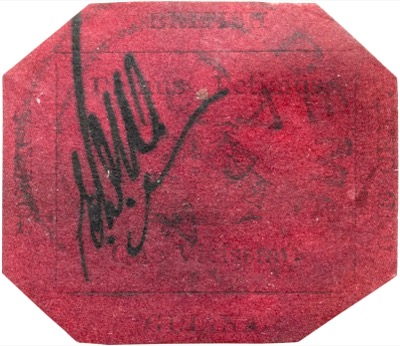
"Fake" covers several different things, and they are not all treated the same way by collectors or catalogues. A forgery is made to deceive, usually to pass as a rare or high-value issue. A reprint is made later, often by the original postal authority, and is not meant to trick anyone. An altered stamp is a genuine, common stamp that has been changed, by trimming perforations, removing a cancellation, or regumming, to resemble a rarer variety.
Knowing which category you are dealing with changes what you do next. A forgery and an altered stamp are both problems to avoid buying unknowingly. A reprint is simply a different, usually less expensive, item that needs to be catalogued correctly rather than confused with the original issue. For a broader walkthrough of this distinction, see the guide on how to spot fake stamps.
How do you check paper, printing, and watermark for forgeries?
Work through these checks in a fixed order, because each one narrows down what the stamp actually is before you move to the next.
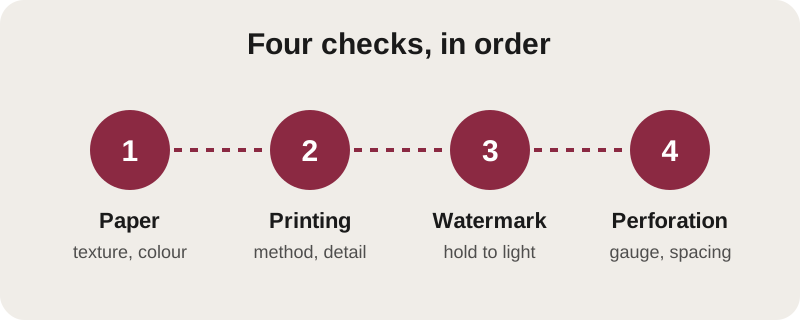
Paper comes first because it is the hardest thing for a forger to get right. Genuine issues from a given period were printed on a specific paper stock, and that stock has a consistent texture, thickness, and colour under raking light. Printing method comes second: engraved stamps show fine raised ridges of ink you can feel with a fingernail, while a photographic or offset forgery looks flat and sometimes slightly blurred under magnification. Watermark comes third. Look at the stamp against a strong light, or use watermark detection methods like watermark fluid, and confirm the pattern matches what the catalogue lists for that exact issue. Perforation is last: measure the gauge over 2 centimetres and compare it to the listed figure, since a perforation mismatch alone can expose a reprint or a trimmed fake.
What tools help you examine a suspect stamp?
You do not need a laboratory to do most of this checking at home. A short, affordable kit covers nearly every case a general collector will encounter.
- Magnifier: reveals printing method, fine design details, and paper fibres; see the guide on using a stamp magnifier correctly
- UV lamp: shows repairs, regumming, and altered colour under short-wave or long-wave light
- Perforation gauge: measures the gauge precisely over 2 centimetres
- Watermark tray and fluid: brings a hidden watermark into view without damaging the stamp
- Stamp tongs: let you handle a stamp repeatedly during examination without leaving fingerprints or oil marks; always use them instead of bare fingers, as explained in the guide on using stamp tongs safely
Keep a genuine reference copy of common issues nearby if you have one. Comparing a suspect stamp side by side with a confirmed genuine example, under the same light, is often more revealing than any single measurement.
How do reprints and reproductions differ from forgeries?
Reprints are made by an official body, sometimes from the original plates, long after the stamp's first printing. They are not frauds, but they are also not the original issue, and catalogues list them separately for a reason.
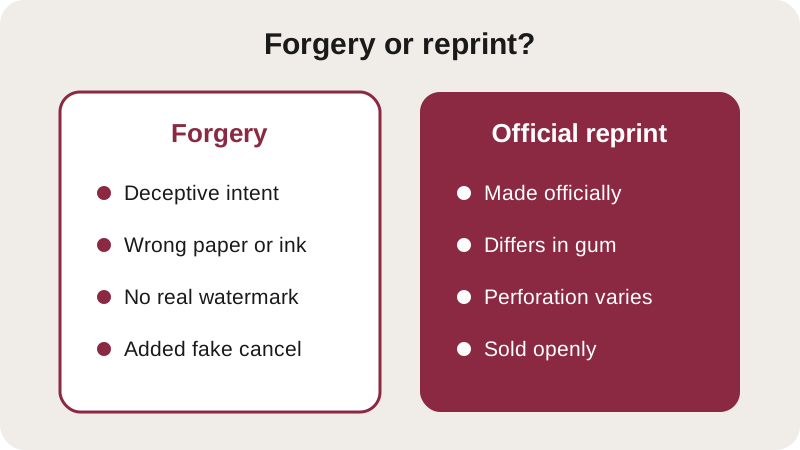
In practice, the clues overlap with forgery detection: paper, gum, and perforation are usually where reprints diverge from the original issue. Gum on a reprint is frequently smoother or a different colour than the original gum of the period. Perforation gauges can be a size or two off from the first printing. None of this makes the stamp worthless or uninteresting, but it does mean it belongs in a different catalogue line, and mixing the two in your collection will throw off your condition grading and cataloguing later.
When is a stamp worth sending for expert certification?
Routine, common stamps rarely justify the time or cost of a formal expert opinion. Save certification for cases where the catalogue number you suspect carries a meaningful premium over a similar-looking but more common variety, or where you genuinely cannot resolve a watermark or perforation discrepancy on your own.
Before sending anything, look up the stamp's listing in a standard reference such as Scott, Stanley Gibbons, or Michel, and note the exact watermark, perforation, and plate details the catalogue expects. You can cross-check a Scott number for free, as described in the guide on finding a Scott catalogue number online, before deciding whether certification is worth pursuing.
Once a stamp is confirmed genuine, store and record it properly rather than setting it aside loose. Note whether it is MNH or MH, record the plate if it is a classic issue printed from plates 1–11, and keep it in a glassine envelope, stamp mount, or a page in a stockbook or hingeless album rather than loose in a box. This protects the centering and gum you just spent time verifying, and it keeps your records consistent the next time you or anyone else reviews the collection.
Why does getting this right matter beyond one stamp?
Famous cases like the Inverted Jenny and the British Guiana 1c magenta show how much scrutiny the rarest stamps attract, and why documented provenance and expert opinions matter at that level. Most collections will never include issues at that extreme, but the same discipline, checking paper, printing, watermark, and perforation before trusting an identification, applies at every level of the hobby. A stamp identified correctly the first time saves you from reorganising an album later and keeps your catalogue numbers reliable for insurance, trading, or simply knowing exactly what you own.
What is the single most reliable way to identify fake stamps?
No single check is enough on its own. Compare paper texture, printing method, watermark, and perforation gauge against a genuine reference copy of the same catalogue number. A forgery usually fails at least one of these, even when the design looks correct at a glance.
Can a UV lamp alone prove a stamp is fake?
A UV lamp is useful for spotting paper repairs, chemically altered colours, and added cancellations, but it cannot confirm authenticity by itself. Use it alongside watermark checks, perforation measurement, and printing-method examination for a full picture.
Are reprints the same thing as forgeries?
No. A reprint is produced later by the original postal authority or its successor, often from the same plates, and is not meant to deceive. A forgery is deliberately made to pass as the original issue. Reprints usually differ in paper, gum, or perforation.
Do I need to send every stamp to an expert?
No. Routine, common stamps rarely justify the cost of certification. Reserve expert opinions for stamps where the catalogue number carries a significant premium over a similar-looking variety, or where you cannot resolve a watermark or perforation discrepancy yourself.