A practical guide to identifying Chinese stamps by inscription, era, watermark, and catalogue number before grading and storing them.
Quick answer
A china stamp identifier works by reading the inscription script, checking the watermark, and matching the design against Scott, Stanley Gibbons, or Michel catalogue numbers to pin down the exact Chinese issue and era.
Key takeaways
- Script, portrait, and symbol narrow a Chinese stamp to its era before anything else matters
- Watermark and perforation confirm the exact printing, since many designs were reprinted later
- Scott, Stanley Gibbons, and Michel assign different numbers to the same Chinese stamp
- Condition (MNH vs MH, centering) is graded only after identification is settled
A china stamp identifier works by combining four things you can check without any special equipment: the inscription script, the portrait or symbol used, the watermark, and the perforation. Put those together and you can place almost any Chinese stamp into its correct era and catalogue number.
What makes Chinese stamp identification difficult?
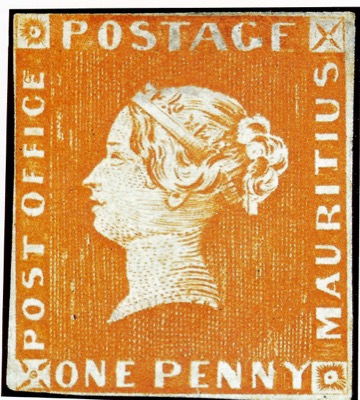
Chinese philately spans several distinct postal administrations, and many designs were reprinted or reissued years apart with only small differences. A stamp that looks identical at a glance can belong to Imperial China, the Republic of China, the People's Republic, or modern Taiwan, depending on tiny details in the inscription and printing.
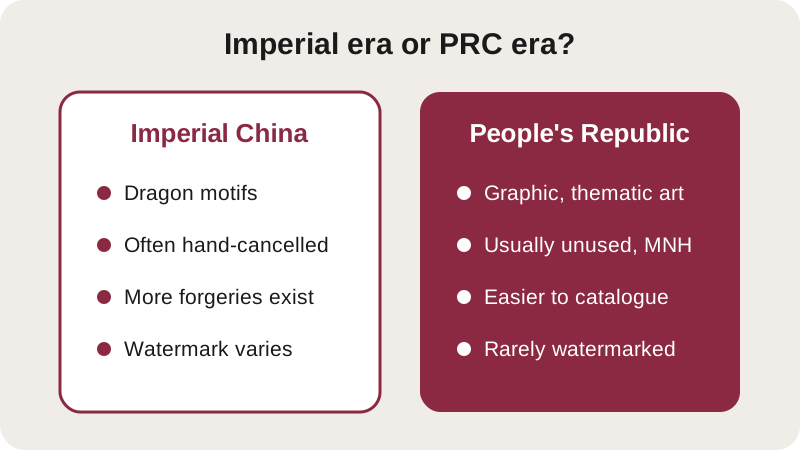
The script itself is the fastest sorting tool. Imperial-era stamps tend to carry dragon or classical motifs with minimal lettering. Republic-era issues (1912–1949) usually show a portrait, most often Sun Yat-sen, set inside a Western-style frame with both Chinese characters and sometimes Latin lettering for value. People's Republic issues from 1949 onward lean toward bold graphic or thematic art, often with place names or slogans rather than a portrait.
A further complication is that many Chinese stamps carry local or provincial overprints, surcharges, or revalued denominations layered onto an existing base design. These overprints changed the stamp's identity even though the underlying printing stayed the same, so two stamps that look nearly identical at first glance can belong to entirely different catalogue entries once the overprint is read correctly.
How do you identify a Chinese stamp step by step?
Once you've placed the stamp in roughly the right era by its design, narrow it down with the same checks collectors use for any country.
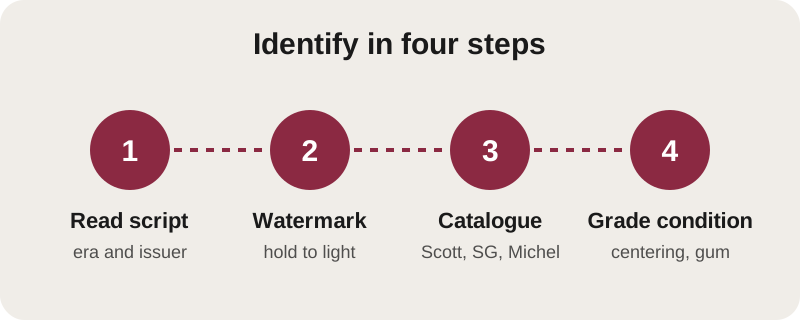
- Read the inscription: note any date, denomination script, and place name printed on the stamp itself.
- Check the watermark: hold the stamp to light or use a UV lamp to see if a watermark is present, since not every Chinese issue carries one.
- Measure the perforation: a perforation gauge narrows a design down when two printings look otherwise identical.
- Compare against a catalogue: look the design up in Scott, Stanley Gibbons, or Michel to confirm the specific printing and plate.
- Note the gum and centering: this sets up grading once identification is settled.
Watermark checks matter more for Chinese stamps than for many other countries, because several early designs were reprinted later without a watermark where the original had one. A dedicated look at how to identify Chinese stamps by watermark goes through the specific patterns used across these issues.
Which Chinese stamp periods should you know?
Four broad periods cover almost everything you'll encounter: Imperial China, the Republic of China, the People's Republic, and modern Taiwan issues. Each has a distinct visual language once you know what to look for.
| Period | Typical design | Identification note |
|---|---|---|
| Imperial China | Dragon, classical border | Check watermark and perforation closely |
| Republic of China | Portrait, Western frame | Portrait and value script pin down the year |
| People's Republic | Thematic, propaganda art | Usually straightforward against a modern catalogue |
| Taiwan (ROC continuation) | Mixed modern and classical | Confirm issuing authority before matching a number |
Within each period, pay attention to printing method as well as design. Engraved or lithographed printings from the same era can show different levels of detail under magnification, and the sharpness of fine lines in a dragon's scales or a portrait's hairline is often what separates a genuine period printing from a later reprint of the same subject.
How does catalogue numbering work for Chinese stamps?
Scott, Stanley Gibbons, and Michel each maintain their own numbering for Chinese stamps, and the three systems don't line up one-to-one. A stamp you identify by design and era still needs a specific catalogue number before you can record it accurately in an album or inventory.
Pick one catalogue system and use it consistently across your collection, rather than mixing numbers from different sources on the same page. If you're building out your reference library, finding a Scott catalogue online for free is a reasonable starting point before buying a full printed edition. For a sense of which Chinese issues collectors actively seek out, see Chinese stamps worth money.
When a design spans several decades, note which printing year the catalogue entry describes. Plate changes, paper differences, and gum variations can each produce a separate listing even when the printed image is unchanged, so cross-checking the catalogue description line by line against your stamp is worth the extra few minutes.
How do you grade and store Chinese stamps once identified?
Identification and grading are separate steps, and doing them in the wrong order leads to mistakes. Confirm exactly what stamp you're holding first, then assess its condition.
- Centering: check how evenly the design sits within the margins, since poor centering lowers a stamp's grade regardless of rarity.
- MNH vs MH: note whether the gum is unmounted mint or hinged, since this affects how you record the stamp.
- Storage: use a stockbook or hingeless album for unmounted stamps, and a glassine envelope for loose stamps awaiting identification.
A closer look at stamp condition grading covers how centering and gum condition combine into an overall grade once you've confirmed what the stamp actually is.
Photo-based tools can speed up the first pass. An AI stamp identifier compares your photo against known designs to suggest likely matches, which narrows the catalogue search before you confirm watermark and perforation by hand. The app works the same way: point your camera at a Chinese stamp and it returns candidate matches to check against a catalogue, rather than guessing a value.
Chinese philately rewards patience because the same design can appear across decades with subtle changes in printing. Working through script, watermark, and catalogue number in order, rather than jumping straight to a value, is what makes the identification reliable, and it keeps your album organised so that future additions are easy to slot into the correct period and catalogue sequence.
How can I tell if a stamp is from China?
Look at the inscription script and any portrait or symbol first. Imperial issues often show a dragon design, Republic-era stamps show Sun Yat-sen or similar portraits, and People's Republic stamps use bold graphic themes with Chinese characters reading '中国邮政' or simply numerals and place names.
What's the difference between Imperial, Republic, and PRC stamps?
Imperial China issues (pre-1912) carry dragon or classical motifs and are often hand-cancelled. Republic of China stamps (1912-1949) show portraits and Western-style frames. People's Republic stamps (1949 onward) use propaganda and thematic art, usually with gum intact and simpler cataloguing.
Do Chinese stamps have watermarks?
Some early Imperial and Republic issues do, while most People's Republic stamps do not. Checking for a watermark helps separate genuine period printings from later reprints, which is why it's a standard step in any thorough identification process.
Which catalogue should I use for Chinese stamps?
Scott, Stanley Gibbons, and Michel each number Chinese stamps differently, so pick one system and stay consistent within your album. Cross-referencing two catalogues is useful when a design was reissued across several decades and the numbering diverges.
Can an app identify a Chinese stamp from a photo?
A photo-based identifier can match the design, script, and layout against known issues to suggest likely catalogue candidates. You still need to confirm watermark, perforation, and printing details by eye before treating the match as final.