A free stamp scanner uses your phone camera and image recognition to identify a stamp's issue, country, and design so you can catalogue it correctly without paying for an appraisal.
A free stamp scanner is a phone camera app that photographs a stamp and matches it against a reference database to identify its country, issue, and design in seconds. It turns what used to take an hour with a catalogue into a task that takes a few seconds.
If you have a shoebox of stamps with no idea where to start, a scanner gives you a starting point for every single one, without paying for an appraisal before you even know what you're looking at.
How does a free stamp scanner actually work?
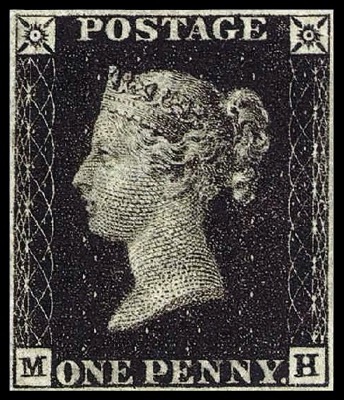
The app compares your photo against a large library of known stamp designs using image recognition. It looks at colour, layout, portrait or motif, border pattern, and text to narrow down candidates, then returns the most likely matches with enough detail for you to confirm the correct one.
This is different from a human expert examining a stamp in hand. The scanner works from a photo, so it identifies the printed design accurately but can't feel the paper, measure gum condition, or detect a reperforated edge the way an expert with a magnifier can. It answers "what is this stamp" — the condition and grading questions come after.
What can a free scan actually tell you?
A good scan should get you to:
- Country of origin — even for stamps without English text, based on design conventions and inscriptions
- Likely issue and year — narrowed down from the design style and any visible date or denomination
- Catalogue reference points — enough detail to cross-check against Scott, Stanley Gibbons, or Michel numbering systems
- Design details — portrait, motif, or thematic subject, which matters if you're building a thematic collection
What it won't do is measure perforation gauge or confirm a watermark for you automatically — those still need a physical check, which is covered in the stamp perforation guide and stamp watermark guide.
How do you get an accurate scan?
Image recognition is only as good as the photo you feed it. A few habits make a real difference:
- Use even, natural light. Avoid flash glare and hard shadows across the design.
- Fill the frame with the stamp. Crop tightly so the app isn't trying to interpret background clutter.
- Shoot straight on. An angled photo distorts proportions and can throw off the match.
- Photograph front and back if unsure. Gum, cancellation, and paper texture on the back sometimes help confirm an edition.
- Handle with stamp tongs, not fingers. This protects the stamp and keeps oils off the surface before you photograph it, which matters if you plan to keep it in a stockbook or hingeless album afterward.
Why scan for free before paying for an appraisal?
Identification and valuation are two separate questions, and identification always comes first. There's no reason to pay for a professional opinion on a stamp until you know roughly what it is — many collections turn out to be full of common, mass-produced issues once identified, and a free scan sorts those out immediately.
If you've inherited a collection and don't know where to begin, scanning every stamp first, then setting aside anything that looks unusual or old, is a faster path than working through it page by page with a catalogue. This approach is covered in more depth in I Inherited a Stamp Collection – Now What? and in the free stamp appraisal guide if you decide some stamps warrant a closer look.
What should you do after the scan identifies a stamp?
Once you know what a stamp is, three things determine what happens next:
Condition
Centering, perforation quality, and whether gum is MNH (mint never hinged) or MH (mint hinged) all affect how a stamp is graded. A scanner can tell you the design is correct; grading condition by eye or under a magnifier is a separate step, detailed in the stamp condition grading guide.
Authenticity
Some issues are heavily forged or reprinted. If your scan turns up a design known for common fakes, it's worth checking further using a UV lamp or watermark fluid before assuming the stamp is genuine.
Storage and cataloguing
Once identified, log the stamp with its catalogue number and move it into proper housing — a glassine envelope for loose storage, a stamp mount for album pages, or a slot in a stockbook. Avoid a plain stamp hinge on anything you want to keep in unhinged mint condition, since hinging leaves a permanent mark.
What are the limits of a free stamp scanner?
A scanner is excellent at recognising printed designs, but it has real limits worth knowing before you rely on it:
- Plate and printing varieties require measurement, not just visual matching — for example, distinguishing plates 1 through 11 of an early issue depends on tiny printing details a camera photo may not resolve clearly enough
- Watermarks often need backlighting or fluid to see at all, so a straight photo of the front won't reveal one
- Extremely rare or unique items, like the British Guiana 1c magenta or an Inverted Jenny, are recognisable by design but their authentication involves provenance and expert examination well beyond what any photo-matching tool can offer
- Damaged or heavily cancelled stamps can confuse recognition if the design is obscured
None of this makes scanning less useful — it just means treating the result as a strong starting identification, not a final verdict. Pair the scan with a magnifier for close inspection, as described in how to use a stamp magnifier the right way, and you'll catch most of what a photo alone might miss.
Is a free scanner enough for a whole collection?
For the bulk of a typical collection, yes. Most stamps people find in albums, drawers, and inherited boxes are common issues that a scan will identify correctly on the first try. Save closer manual inspection — perforation gauge, watermark check, magnifier — for the smaller number of stamps that look old, unusual, or don't match anything obvious after scanning. That triage step alone saves the most time when you're working through a large, disorganised collection for the first time.
Is a free stamp scanner accurate enough for cataloguing?
For identifying the country, issue, and design, yes — image recognition is generally reliable when the photo is sharp and well lit. It won't replace checking perforation, watermark, and centering by hand for condition and variety details, but it gets you to the right catalogue entry quickly.
Do I need special equipment to use a free stamp scanner?
No. A phone camera and a flat, well-lit surface are enough for most stamps. A magnifier and a perforation gauge help when you need to confirm a specific variety, but they aren't required just to get an initial identification.
Can a free stamp scanner tell me what my stamp is worth?
A scanner identifies what the stamp is — its issue, country, and design — which is the necessary first step before any valuation. It does not generate price estimates, since value depends on condition, rarity, and market factors that require separate research.
Why does my stamp scan return the wrong result?
Poor lighting, glare, cropping, or a damaged design are the usual culprits. Similar-looking stamps from the same series, or common designs reused across many countries, can also confuse image recognition. Rescanning with better lighting and a tighter crop usually fixes it.