This article explains how to identify stamps for free (stamp identifier gratuit) using photo-based tools, watermark and perforation checks, and catalogue references, without needing a paid appraisal.
A stamp identifier gratuit is any free method or tool that tells you what a stamp is — its country, issue, and design — without paying for an appraisal. The most reliable free approach combines a clear photo, a look at the stamp's watermark and perforation, and a quick check against catalogue references.
Searches for "stamp identifier gratuit" usually come from collectors who want a quick answer before deciding whether a stamp is worth cataloguing properly. This guide walks through the free options available, what each one can and cannot tell you, and when it makes sense to go beyond a free tool.
What can a free stamp identifier actually tell you?
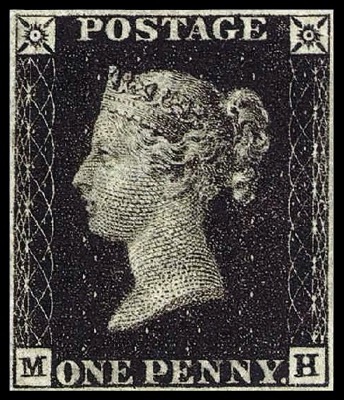
A free identification tool, whether it's an app, a printed catalogue, or a forum post, can usually tell you the country of origin, the approximate issue date, and the design or series a stamp belongs to. What it generally cannot tell you is a precise catalogue number, the exact plate or printing variety, or a value, because those require closer examination of details like watermark, perforation gauge, and condition. Photo-based identification works well as a first pass. Take a sharp, well-lit photo of the front of the stamp, then use the app to scan it. The app compares the design against a large reference set and returns likely matches, which narrows your search dramatically compared to flipping through a catalogue page by page.
How do you identify a stamp without paying anything?
Start with what's printed on the stamp itself. Most stamps show a country name, a currency, and sometimes a date. If the country name isn't in a script you recognise, that's usually the first clue you're dealing with an older or non-Latin-alphabet issue, and a visual guide to identifying a stamp's country of origin can help narrow things down.
Once you know the country, work through these free checks in order:
- Design and colour: Compare the printed image against known series for that country and rough date range.
- Perforation: Count the teeth along a 2 centimetre span with a printed gauge. Two stamps with identical designs are sometimes distinguished only by their perforation measurement.
- Watermark: Hold the stamp face-down over a dark surface, or use a UV lamp, to check for a watermark pattern. Some issues exist both with and without a watermark, and that alone changes the identification.
- Gum and condition: Note whether the stamp is mint never hinged (MNH), mint hinged (MH), or used. This won't identify the stamp, but you'll need it later for cataloguing and grading.
None of these steps cost anything beyond a cheap gauge or a phone flashlight. For a deeper look at watermark checking specifically, see the guide on how to find and identify a stamp watermark.
Why do the same-looking stamps need different identification methods?
Postal authorities frequently reused a design across several years, changing only the perforation, the paper, or the watermark. This is exactly why a single photo isn't always enough. Two stamps that look identical in a picture can belong to entirely different catalogue entries once you measure the perforation or check for a watermark.
This is where the major catalogue systems come in. Scott numbers are the standard reference in North America, Stanley Gibbons is widely used in the UK and Commonwealth countries, and Michel is the standard across much of continental Europe. A free identifier tool that gives you the country and design still leaves the job of matching that design to a specific catalogue number, especially when varieties exist. If you want a structured walkthrough of this whole process, the free stamp identification guide covers it step by step.
When perforation and watermark checks matter most
These checks matter most on stamps issued over long runs, where printing plates were replaced, paper stock changed, or perforating equipment was swapped mid-series. Classic 19th- and early 20th-century issues are the most likely to have overlapping designs that only separate out under a perforation gauge or watermark check. Modern stamps are usually easier to identify from the design alone, since fewer variants were produced per issue.
Can a photo-based app replace manual identification?
A photo-based app is a strong starting point but works best paired with the manual checks above. The app can identify a stamp from a photo, which immediately narrows a random stamp down to a shortlist of possible issues. From there, checking the perforation and watermark on that shortlist takes a few minutes and gives you a confident final answer rather than a guess.
This two-step approach — scan first, verify second — is faster than working through a catalogue cover to cover, and it's still entirely free. It also builds the habit of examining stamps closely, which pays off later when you move into grading condition or deciding how to store a growing collection.
What should you do once a stamp is identified?
Once you know what a stamp is, record it properly so you don't have to re-identify it later. Note the catalogue number, the country, the issue date, and the condition (MNH, MH, or used). Store the stamp in a stockbook, a hingeless album, or an individual mount inside a glassine envelope, depending on how you organise the rest of your collection.
If you're building a collection from scratch and want a system from day one, the guide on starting to collect stamps as a beginner covers the basic tools and habits worth setting up early, including tongs for handling and a gauge for perforation checks.
Free identification tools are genuinely useful for figuring out what a stamp is. They are not a substitute for a proper appraisal if you're trying to establish value, and they shouldn't be treated as one. Identification and valuation are separate questions: the first is about facts you can check yourself for free, the second depends on market conditions and condition grading that go beyond what any free tool can tell you.
Is a free identifier enough for rare or unusual stamps
If a stamp looks unusual, oddly scarce, or doesn't match anything in a standard photo search, that's a signal to slow down rather than assume it's valuable. Famous rarities like the Inverted Jenny or the British Guiana 1c magenta are identifiable precisely because collectors know their exact printing details down to the plate. For anything that doesn't resolve cleanly with a free tool, cross-check against a proper catalogue entry or a specialist reference before drawing conclusions, and treat any early guess about rarity with caution until it's confirmed.
Is there a truly free way to identify a stamp?
Yes. Photographing the stamp clearly and comparing it against catalogue images, checking its watermark, perforation, and country markings costs nothing. The app also lets you scan a stamp photo and get an identification for free before you decide whether to catalogue or insure it.
What does stamp identifier gratuit mean?
It is French for 'free stamp identifier' — a tool or method that identifies a stamp's country, issue, and design without charge. Most searches for this phrase are looking for a photo-based app or a free reference guide rather than a paid dealer appraisal.
Do I need a watermark or perforation tool to identify a stamp for free?
Not always. Many stamps can be identified from the design and country name alone. But when two issues look identical, a perforation gauge or watermark check resolves the difference, and both tools are inexpensive or free to use at home.
Can a free stamp identifier tell me what my stamp is worth?
No identification tool, free or paid, should be treated as a valuation. Identification tells you what the stamp is; value depends on condition, demand, and catalogue listings, which is a separate step covered in dedicated valuation guides.