A guide to what a free stamp collector app should actually do — identify stamps accurately, catalogue them properly, and help track condition — rather than just what it costs.
A free stamp collector app should do three things well: identify a stamp from a photo, help you catalogue it correctly, and let you track its condition over time. Price is not the feature that matters — accuracy and organization are.
Plenty of people search for a free option because they've just inherited a box of stamps, found an old album in a drawer, or picked up collecting again after years away. The good news is that photo-based identification has gotten genuinely useful, and you don't need to pay for a basic scan. But not all free apps are built the same, and knowing what to look for will save you from mislabeling stamps or missing details that matter.
What should a free stamp app actually identify?
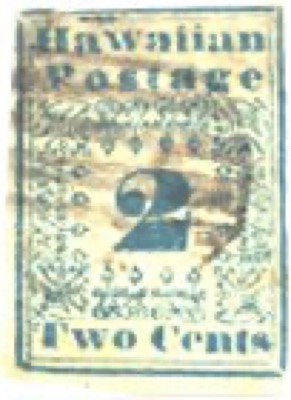
At minimum, a free stamp identification tool should be able to tell you the country of origin, the approximate issue date or series, and the denomination printed on the stamp. Better tools go further and suggest a specific catalogue number, since that's what you'll actually use to look up details in a reference like Scott, Stanley Gibbons, or Michel.
If you're not sure how identification even works before you download anything, it helps to understand the basics first — things like design elements, watermarks, and perforation gauge readings all factor into a correct match. A stamp scanner works by comparing your photo against a large reference set of known designs and printings, then narrowing down the possibilities. The more detail in your photo — sharp focus, good lighting, no glare — the better the match.
One thing a free app usually can't do reliably is spot subtle printing varieties or paper differences that require a watermark tray or UV lamp. Those still require manual checking, which is fine — the app narrows the search, and you confirm the fine details.
How does a free app help beyond just naming the stamp?
Try the free stamp scanner
Photograph any stamp and let StampScan identify it and add it to your digital collection.
Get StampScan FreeIdentification is only the first step. Once you know what a stamp is, you need somewhere to keep that information so you're not re-identifying the same stamp six months later. A useful free app lets you build a running digital catalogue: photo, country, issue, denomination, and notes on condition.
This matters more than people expect. A physical collection without records is just a pile of paper. If you've ever opened an old stamp album and had no idea which stamps were duplicates, which were higher-condition copies, or which ones you'd already checked against a catalogue, you know the problem. A digital record solves this by giving you a searchable list you can sort by country, era, or value tier.
For anyone just getting into the hobby, it's worth reading through a general guide on how to start collecting stamps before you build out a system, so your cataloguing habits are consistent from the beginning rather than needing to be redone later.
Does condition tracking matter in a free app?
Yes, and this is where many free tools fall short. Two identical stamps by catalogue number can be worth very different amounts of attention depending on centering, gum condition, and whether they're mint never hinged (MNH) or mint hinged (MH). A collector app worth using should let you log these details alongside the identification, not just the name of the stamp.
Centering — how evenly the design sits within its margins — is one of the first things any experienced collector checks. A stamp with perfect centering and original gum is a different object from the same stamp with a heavy hinge mark and off-center printing, even though both would show up as the same catalogue number. If you want a deeper look at how this scoring works, the guide on stamp condition grading walks through the standard grading scale collectors use.
A free app that only tells you "this is a 1932 definitive from Country X" without any way to note condition is only doing half the job. Look for one that lets you attach condition notes, gum status, and even flag whether a stamp has been hinged before, since that detail affects how you store it going forward.
What should you still do by hand, even with an app?
An app can identify and catalogue, but it can't replace basic handling skills. Always use stamp tongs rather than your fingers — skin oils and moisture damage paper and gum over time, and this matters just as much whether you're organizing digitally or on paper. A UV lamp remains useful for spotting repairs, thins, or paper that's been tampered with, none of which a photo-based scan will catch reliably.
Storage also stays analog. Stamps belong in glassine envelopes, stockbooks, or a hingeless album — an app doesn't change how you physically protect paper from humidity, light, and handling. If you're setting up storage for the first time, the full guide on stamp storage and preservation covers what materials to use and what to avoid, including why a stamp hinge and a stamp mount serve very different purposes for mint versus used stamps.
Think of the app as the front end of your process — the tool that gets you from "unknown stamp" to "identified and logged" quickly — while tongs, lamps, and archival storage remain the physical backbone of actually caring for your collection.
Is a free app enough, or will you eventually need more?
For most casual to mid-level collectors, a free identification and cataloguing app covers what you need day to day. You'll only start feeling limits if you're working with rare or high-value material where certification and expert appraisal matter more than a quick photo match — famous rarities like the Inverted Jenny or the British Guiana 1c magenta are identified and authenticated through very different processes entirely, involving provenance and expert examination rather than an app scan.
For everyday collecting, though, a free app that identifies accurately, lets you log condition, and keeps a running digital catalogue of what you own is genuinely useful. It won't replace a printed catalogue for deep research, and it won't replace tongs, a UV lamp, or proper archival storage. But it will save you time on the repetitive part of the hobby — figuring out exactly what you're holding — so you can spend more time on the parts that are actually enjoyable: building the collection, tracking down gaps, and learning the history behind each stamp you add.
Try the free stamp scanner
Photograph any stamp and let StampScan identify it and add it to your digital collection.
Get StampScan FreeIs a free stamp collector app accurate enough for serious collecting?
Accuracy depends on the identification method, not the price tag. A free app that compares your photo against a large reference database of designs, watermarks, and perforations can be just as useful as a paid tool. Check that it gives you a specific catalogue match rather than a vague guess.
Can a free app replace a printed stamp catalogue?
A free app can speed up identification, but most serious collectors still keep a printed or digital catalogue like Scott, Stanley Gibbons, or Michel on hand for cross-referencing plate numbers, varieties, and printings. Use the app to narrow down candidates, then confirm details against a catalogue.
What features should I check before choosing a free stamp app?
Look for photo-based identification, the ability to log condition details such as centering and gum status (MNH or MH), and a way to organize stamps into a digital collection you can search later. Export or backup options matter too, since collections take years to build.
Do I still need physical tools if I use a stamp app?
Yes. An app helps with identification and record-keeping, but you still need stamp tongs to handle stamps safely, a UV lamp to check for repairs or reprinted paper, and proper storage like glassine envelopes or a stockbook to protect what you've identified.