Before booking a local stamp appraisal, identify and grade your stamps yourself so you understand what any valuer tells you and can spot a rushed or inaccurate assessment.
Searching for stamp collection valuation near me usually means you want a local dealer or appraiser to look at your stamps in person. Before you book that appointment, spend an hour identifying and grading your stamps yourself, because it will change what you ask and how you judge the answer you get.
Why identify your stamps before finding a local appraiser?
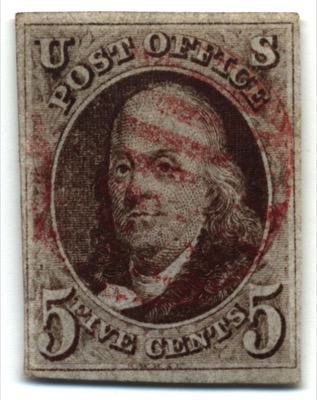
A valuation is only as good as the identification behind it. Two stamps that look identical to the naked eye can be worth very different amounts depending on watermark, perforation, or printing plate. If you walk into a local appraisal without any groundwork, you have no way to judge whether the person across the counter is being thorough or just glancing at your album and giving a round number.
Start by working out the basics for each stamp or set: country of origin, issue date, and catalog number in a reference like Scott, Stanley Gibbons, or Michel. Our guide to identifying a stamp's country of origin is a good place to begin if you have unsorted stamps from an inherited album. From there, a general stamp identification guide will walk you through matching design and denomination to a specific catalog listing.
What actually determines a stamp's value?
Try the free stamp scanner
Photograph any stamp and let StampScan identify it and add it to your digital collection.
Get StampScan FreeAge matters far less than most people assume. Identification and condition decide almost everything. The same design can be common in one printing and scarce in another because of a plate variation, a watermark change, or a perforation difference.
Condition and grading
Centering — how evenly the design sits within its margins — is one of the biggest factors in grading. A stamp that is mint never hinged (MNH) is generally more desirable than one that is mint hinged (MH), and a hinge mark, thin spot, or crease can noticeably affect a stamp's standing even if the design itself is scarce. Learn to grade your own stamps using our stamp condition grading guide before any appraisal, so you can follow along when someone points out a fault.
Watermarks and perforations
Many look-alike stamps are only distinguished by their watermark or perforation count. A watermark is checked by holding the stamp up to light or using watermark fluid; a UV lamp can also reveal paper differences invisible in normal light. Perforations are measured with a gauge across a 2 centimetre span. Our stamp watermarks guide and guide to reading perforations cover both in detail, and are worth reading before you rely on someone else's quick assessment.
Rarity within the printing
Some of philately's most famous stamps are valuable specifically because of a printing anomaly rather than pure age — the Inverted Jenny is the classic example of an error that created enormous rarity from an otherwise ordinary issue. The British Guiana 1c magenta is a case of true production scarcity. Most collections will not contain anything on that scale, but the principle holds at every level: specific printing details, not the calendar year, drive scarcity.
How do I find a reliable stamp appraiser near me?
Local philatelic societies and stamp clubs are usually the best starting point, since members often know which local dealers specialize in which countries or periods. A general coin-and-stamp shop can give a fast opinion, but a specialist is more reliable if your collection is concentrated in one country or era — for example, someone experienced in Swiss stamps or Belgian stamps will catch varieties a generalist might miss.
Before you go, sort your stamps by country or album page, and keep them in glassine envelopes or stockbook pages rather than loose in a box. Handle everything with stamp tongs, never bare fingers, since skin oils can damage gum and paper over time. If you're storing everything long-term, a hingeless album keeps mounted stamps flatter and better protected than a stamp hinge does, and our storage and preservation guide covers the full setup.
What about free stamp appraisals near me?
A free appraisal, whether local or online, is a reasonable starting point but should not be your only source. Local shops sometimes offer a free walk-in assessment as a way to build relationships with sellers, and that can be genuinely useful for a quick sanity check. Our free stamp appraisal guide lists several ways to get an initial opinion without paying for a full written appraisal.
Whatever the appraisal costs, verify the reasoning. Ask which catalog numbers were used, what grade the appraiser assigned, and why. If the answers are vague, that is a sign to get a second opinion rather than accepting the figure at face value. Our article on how to determine the value of stamps explains the standard factors any credible appraisal should reference.
Should I get a local appraisal or handle it myself?
For a small, well-organized collection, self-identification is often enough. Use a catalog, check watermarks and perforations, grade condition honestly, and you will have a realistic picture without leaving home. This is especially true if you already know your collection's scope — a themed set of aviation stamps or railway stamps, for instance, is usually easier to research than a mixed inherited box.
A local, in-person appraisal earns its keep when you have inherited a large or disorganized collection and need someone to sort common material from anything worth closer attention. If that's your situation, read what to do with an inherited stamp collection first, so you walk in already knowing roughly what you have and what questions to ask.
What comes after the valuation?
Once you know roughly what you own, decide whether you're keeping, insuring, or selling. If insurance is the goal, read our guide on insuring a stamp collection before assuming a standard home policy covers it. If selling is the plan, compare routes in our online versus auction house comparison and our guide to pricing stamps for sale.
A local valuation is a useful data point, not a verdict. The more identification and grading work you do beforehand — checking watermarks, measuring perforations, sorting by catalog number — the more you'll get out of any appraiser's opinion, free or paid, local or otherwise.
Try the free stamp scanner
Photograph any stamp and let StampScan identify it and add it to your digital collection.
Get StampScan FreeIs stamp collection valuation near me always accurate?
Accuracy depends on the appraiser's specialty, not proximity. A generalist dealer down the street may miss watermark or perforation varieties that a specialist would catch. Identify and grade your stamps yourself first so you can judge whether a local valuation matches what you actually own.
How do I find someone to value my stamp collection locally?
Local stamp clubs, philatelic societies, and coin-and-stamp shops are common starting points. Search for club meetings in your area, since members often do informal appraisals or know a specialist dealer. Confirm any appraiser's area of expertise matches your collection's country or period before relying on their opinion.
Do I need a local appraisal, or can I do this myself?
For most collections, self-identification covers the essentials: country, issue, watermark, perforation, and condition. A local or professional appraisal becomes worthwhile mainly for large, mixed, or inherited collections where scarce items might be buried among common ones.
What should I bring to a local stamp appraisal?
Bring stamps sorted by country or album, stored in glassine envelopes or stockbook pages rather than loose. Note any watermarks, perforation counts, or catalog numbers you've already identified. This preparation speeds up the appraisal and helps you follow the appraiser's reasoning.
Are free stamp appraisals near me trustworthy?
A free appraisal can be a reasonable starting estimate, but treat it as one opinion, not a final verdict. Cross-check any figures against a catalog such as Scott, Stanley Gibbons, or Michel, and get a second opinion for anything the appraiser flags as unusually scarce.