This article explains how to choose a topic, find stamps that fit it, and organise a topical stamp collection from the ground up.
To start collecting stamps by topic, pick one subject that genuinely interests you, define its boundaries clearly, and then search across countries and eras for stamps that depict it, rather than restricting yourself to a single nation's output. This approach, often called thematic or topical collecting, turns a collection into a personal subject index illustrated in miniature.
Unlike collecting by country, where you work through one postal authority's issues in order, topical collecting lets you gather stamps from dozens of countries around a single idea. A collection about lighthouses might include issues from Canada, Portugal, and Japan side by side. The unifying thread is the picture on the stamp, not where it was printed.
How do I choose a topic that will actually hold my interest?
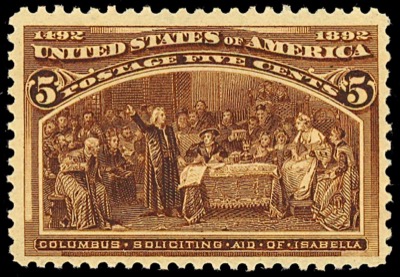
Start with something you already know something about. Collectors with a background in aviation, trains, art, or natural history tend to stay engaged longer because they can judge accuracy and spot interesting variations other people miss. If you need ideas, browse existing guides on starting an aviation stamp collection, trains and railways, or art and paintings to see how narrow or broad a workable topic can be.
Broad topics like "animals" or "transportation" produce thousands of candidate stamps and can feel endless. Narrower topics — owls, steam locomotives, Olympic sailing — are easier to define, easier to complete, and easier to catalogue. Many experienced topical collectors start broad, then split into sub-topics once they see which corner of the subject they enjoy chasing most.
How do I find stamps that fit my chosen topic?
Try the free stamp scanner
Photograph any stamp and let StampScan identify it and add it to your digital collection.
Get StampScan FreeOnce you have a topic, the challenge shifts from "which country" to "which stamps." Catalogues such as Scott, Stanley Gibbons, and Michel are organised primarily by country and date, not by subject, so cross-referencing takes some digging. Many national postal museums and philatelic societies publish topic checklists, and dealer stock is often sorted into thematic boxes at stamp shows.
A photo identification tool speeds this process considerably. When you find a stamp at a show or in a mixed lot and don't immediately recognise the country or issue, the app can identify it from a photo so you can quickly confirm whether it belongs in your topic before you buy it. This matters more in topical collecting than in country collecting, because you're constantly evaluating unfamiliar issues from countries you don't normally study.
Country guides are still useful reference points even for topical collectors, since many topics lean heavily on particular postal authorities. A collector of alpine scenery, for example, will end up buying often from Swiss stamp issues, while a collector of colonial-era commerce might look closely at Belgian stamps or Australian stamps.
How should I organise a topical collection once I start buying?
Organisation matters more in topical collecting than almost any other style, because the stamps arrive in no natural order — you might buy a 1930s issue from one country and a 1990s issue from another in the same week. Decide early whether you'll arrange by sub-theme, by date, or by country within the topic, and stick with it so your album stays browsable.
A stockbook is a practical working home for a topical collection because its flexible strip pockets let you insert new sub-groups without re-planning a whole page, unlike a fixed hingeless album built for one country's issues in catalogue order. Some collectors keep a stockbook for sorting and a mounted album for the finished, curated selection.
Store loose stamps in glassine envelopes labelled by sub-topic while you're still deciding on layout, and use stamp tongs rather than fingers whenever you handle them, since oils and pressure from bare hands can damage gum and paper over years of handling. Mount finished pages with stamp mounts or hinges depending on whether the stamp is mint or used — mounts protect mint, unused (MNH) stamps far better than hinges, which leave a mark and are best reserved for already-hinged (MH) or used copies.
Keeping track of what you already own
Duplicate purchases are the most common frustration in topical collecting, since the same bird or the same aircraft can appear on issues from ten different countries. A simple running list — country, catalogue number, and date acquired — prevents buying the same stamp twice at a show six months later. Some collectors keep this list inside the app alongside photos of each stamp, which also makes it easy to check condition and identification details later.
How do condition and identification affect a topical collection?
Correct identification still comes first, even when the topic is the organising principle. A stamp showing the wrong printing, wrong watermark, or wrong perforation for the issue you think you're buying can throw off your catalogue numbers and your sense of what you actually own. Learning to check watermarks and centering pays off just as much in topical collecting as in country collecting — see the watermarks guide for the basics, and the wider thematic stamp collecting guide for more on building a topical collection systematically.
Condition grading follows the same rules regardless of topic: centering, gum, and any faults still determine how a stamp is graded, whether it depicts a locomotive or a Queen Victoria portrait. A well-centered used stamp from an obscure country can be a better addition to a topical page than a poorly centered stamp from a famous one, because in a topical collection the visual impression of the page matters as much as the individual catalogue value.
Iconic single stamps like the Inverted Jenny or the British Guiana 1c magenta occasionally get pulled into topical collections purely because of their imagery — an aviation collector might reasonably want an Inverted Jenny for its inverted biplane, regardless of its fame elsewhere in philately. That crossover is part of what makes topical collecting flexible: a stamp can belong to more than one collector's story at once.
What comes after the first few dozen stamps?
Once a topical collection has some depth, most collectors start writing brief notes next to each stamp — the historical event it marks, the artist who engraved it, the year the depicted subject was significant. This turns the album into something closer to an illustrated reference than a simple stock of paper. It also makes gaps obvious: you'll notice quickly which countries or eras you haven't touched yet within your topic, which gives you a shopping list for the next stamp show or online lot.
If you're still deciding on your very first topic or haven't collected at all before, it's worth reading a general guide to starting a stamp collection first, since the basic handling, storage, and cataloguing habits are the same whether you end up organising by country or by topic.
Try the free stamp scanner
Photograph any stamp and let StampScan identify it and add it to your digital collection.
Get StampScan FreeWhat is topical stamp collecting?
Topical stamp collecting means building a collection around a subject shown on the stamp — such as birds, ships, or space exploration — rather than around a single country or time period. Stamps from any country can join the same collection if they share the topic.
How do I pick a topic for my stamp collection?
Start with something you already know well or enjoy, such as a hobby, an animal, or a historical event. A narrower topic like lighthouses is easier to complete and catalogue than a broad one like transportation, especially when you are starting out.
Do I need to know a country's stamps to collect by topic?
No. Topical collecting deliberately crosses countries, so you will handle issues from postal authorities you may never have studied before. Identifying the country and issue for each stamp is still necessary, and an identification app can speed that up.
How do I keep a topical collection organised?
Group stamps by sub-theme within the topic, then by country and date, using a stockbook or hingeless album. A simple index or spreadsheet noting catalogue numbers helps you track what you already own and avoid buying duplicates.