A safe stamp album is acid-free, PVC-free, and lets you mount stamps without hinges or adhesive, protecting condition and value over decades.
A safe stamp album is one built from acid-free, lignin-free paper and PVC-free plastic, with a mounting system that never glues a stamp directly to the page. Get those three things right and your stamps stay flat, stay clean, and keep their original gum and colour for decades.
Most damage to a stamp collection happens slowly, from materials, not accidents. A cheap album with acidic pages or PVC-laminated pockets can quietly ruin a stamp over ten or twenty years, long after you've forgotten which album it came from. Choosing the right album is one of the few decisions that pays off only in hindsight, so it's worth getting right the first time.
What actually makes an album "safe"?
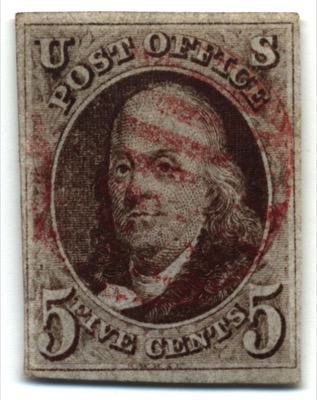
Three things matter, in this order:
- Paper quality: pages should be acid-free and lignin-free. Ordinary wood-pulp paper contains lignin, which breaks down into acids over time and yellows and weakens everything it touches, including your stamps.
- Plastic quality: any plastic pocket, sleeve, or cover should be polyester, polypropylene, or polyethylene. PVC (polyvinyl chloride) is the one to avoid — it releases plasticizers as it ages, and those chemicals migrate into paper and gum.
- Mounting method: the album should let you display a stamp without permanently attaching it. That usually means a stamp mount, a hingeless page with built-in mounts, or a stockbook with glassine strips, rather than glue or tape.
None of this is exotic. Most reputable printed albums from established publishers already meet these standards. The risk comes from cheap, unbranded albums and from repurposing ordinary binders, scrapbook paper, or PVC sheet protectors meant for other hobbies.
Are hinges ever the safe choice?
A stamp hinge is a small folded piece of gummed glassine paper that attaches a stamp to a page by one corner, leaving it easy to lift later. It is a perfectly safe method for used stamps, where the gum side has no collectible value anyway.
For unused stamps it's a different story. A hinge disturbs the original gum, and that's the difference between a stamp graded MNH (mint never hinged) and one graded MH (mint hinged). If you're building or preserving a mint collection, avoid hinges entirely and use mounts instead. If you're working mostly with used stamps, hinges remain a cheap, traditional, and safe option, and you don't need to spend more on a hingeless system.
What is a stamp mount and why does it matter?
A stamp mount is a small clear or black-backed sleeve, usually made of polyester or polyethylene, sized to fit a single stamp. The stamp slides in and the mount itself is affixed to the page, so the stamp's gum is never touched. This is the basis of every hingeless album: instead of blank pages, you get pages with mounts already cut to size and printed with spaces for each issue.
The tradeoff is cost and flexibility. Individual mounts and hingeless albums cost more than plain hinged pages, and pre-printed hingeless pages only exist for popular, well-catalogued countries and periods. For less common material, you may need blank mount strips that you cut and fit yourself, or a stockbook.
Album pages or a stockbook — which is safer?
A stockbook is a book of pages lined with rows of glassine or plastic pockets, usually black-backed to make stamp colours stand out. It's the safest option for stamps you haven't fully identified yet, duplicates, or material you're still sorting, because you can slide stamps in and out without hinges, mounts, or adhesive at all.
A printed album, by contrast, gives each stamp a labelled space matching a specific catalogue listing (Scott, Stanley Gibbons, or Michel numbering, depending on which system you use). This is better for a finished, organized collection because it tells you at a glance what you have and what's missing. Neither format is inherently safer than the other — both are fine as long as the paper and plastic meet the acid-free, PVC-free standard. Many collectors use a stockbook for triage and an album for the permanent collection, moving stamps across once they've been properly identified and catalogued.
How does an unsafe album damage a stamp over time?
The damage is usually invisible at first. Acidic paper causes gradual toning — a yellow or brown discolouration that starts at the edges of a stamp and spreads inward. PVC plastic can leave a stamp looking slightly oily or transparent, and in bad cases it fuses gum to the sleeve, so the stamp tears if you try to remove it. Both problems are effectively irreversible; you cannot restore paper that has toned or gum that has fused to plastic.
These issues compound with humidity and heat, which is why album choice and storage conditions go together. For a full breakdown of humidity control, light exposure, and where to physically keep your collection, see the guide on how to store and preserve your stamp collection.
What should I check before buying an album?
A few practical checks before you commit to an album:
- Check the plastic type. Packaging or product descriptions should specify polyester, polypropylene, or polyethylene. If it just says "plastic" with no material named, be cautious.
- Look for "acid-free" on the pages themselves. This should be stated explicitly, not implied by price or brand reputation.
- Decide hinges or mounts before you buy. A hingeless album is a bigger investment, so it makes sense mainly if most of your stamps are unused and you care about preserving MNH status.
- Match the album to your collection's structure. Country albums, topical albums, and year-based albums all organize differently — pick one that matches whether you collect by country of origin or by theme.
For a wider comparison of specific album brands and supplementary supplies like tongs, gauges, and glassine envelopes, see the roundup of best stamp albums and supplies.
Does the album affect how a stamp is graded?
The album itself is not part of a stamp's grade, but poor storage is one of the most common causes of condition problems that lower a grade after the fact. Centering, gum condition, and paper freshness are all assessed when a stamp is graded, and a hinge mark, toning spot, or PVC damage can turn a stamp that started as MNH into one that grades down. If you're not sure how these factors are weighed, the guide to grading stamp condition walks through the full scale from Superb down to Poor and explains how centering interacts with gum and paper condition.
A simple standard to hold every album to
If you remember nothing else: acid-free paper, PVC-free plastic, and a mounting method that leaves gum untouched. Everything else — cover material, binder size, whether pages are pre-printed or blank — is a matter of preference and budget. Get those three fundamentals right and the album will do its job quietly for as long as you own the collection, which is really all a safe album is for.
What makes a stamp album safe?
A safe stamp album uses acid-free, lignin-free paper and PVC-free plastic (polyester, polypropylene, or polyethylene) for any pockets or covers. It should let you mount stamps without gluing them directly to the page, usually with mounts or a stockbook, so gum and paper are never damaged.
Are hingeless albums actually safer than hinges?
Yes, for unused stamps. Hingeless albums use pre-cut mounts that hold the stamp by its edges, leaving gum untouched. Traditional stamp hinges work fine for used stamps but leave a mark on unused ones, which affects whether a stamp grades as MNH or MH.
Can PVC plastic really damage stamps?
Yes. PVC breaks down over time and releases plasticizers that can stick to paper, cause discoloration, and make stamps brittle or transparent-looking. Any plastic touching your stamps long-term should be polyester, polypropylene, or polyethylene, not PVC.
Should I use a stockbook or an album for safe storage?
Both are safe if made from the right materials. Stockbooks with glassine or acid-free strips are ideal for duplicates and stamps awaiting identification, while albums with printed pages and mounts are better for a permanent, organized collection you plan to display or study.