Digital or online insurance can cover a vintage stamp collection, but only if you build a detailed, itemized inventory with photos, condition notes, and identification for each stamp before you file a policy.
Yes, digital insurance can cover a vintage stamp collection, but insurers will only pay out on a claim if you can prove what you owned. That means an itemized inventory with photos, condition notes, and correct identification for each stamp, not just a single lump-sum estimate of the whole album.
Digital insurance has made it easier to get a policy without mailing in paperwork, but it has not changed what insurers need to see when something goes wrong. A flood, a fire, a lost shipment, or a theft all trigger the same question: what exactly did you have, and what was its condition? Answering that question well is mostly a documentation problem, not an insurance problem.
What does digital insurance actually cover for stamps?
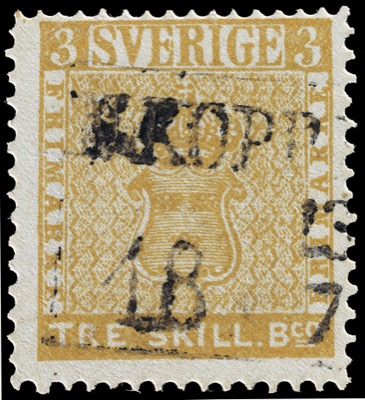
Most digital or online insurers offer collectibles riders or standalone policies that cover loss, theft, fire, and water damage, sometimes with options for coverage while a collection is in transit or on loan for exhibition. The digital part refers to how you apply, upload documentation, and file claims, not a different category of coverage. You are still buying protection against physical loss of physical objects.
Where digital platforms differ is in how much they lean on your own records. Traditional insurers sometimes send an appraiser to review a collection in person. Many digital insurers instead ask you to submit a structured inventory: a spreadsheet or app export listing each stamp, its catalog number, condition, and a photograph. If your records are thin, your effective coverage is thin too, even if the policy limit looks generous.
What documentation do insurers want before they accept a claim?
Try the free stamp scanner
Photograph any stamp and let StampScan identify it and add it to your digital collection.
Get StampScan FreeAt minimum, expect to need the following for each stamp or set you want covered:
- Identification: country of origin, issue date, and ideally a catalog number from a reference like Scott, Stanley Gibbons, or Michel
- Condition grade: centering, gum status (MNH or MH), and any faults, following the same grading language used across the hobby
- A clear photograph: front and back, taken with consistent lighting so damage or repairs are visible
- Proof of ownership or acquisition: a purchase receipt, an inherited collection's original paperwork, or at least a dated record of when the item entered your collection
If you inherited a collection rather than built it stamp by stamp, you may not have receipts, and that's fine for most policies as long as your inventory is otherwise thorough. Our guide on what to do after you've inherited a stamp collection covers how to start that inventory from scratch, including sorting, identifying, and prioritizing what to document first.
How precise does the identification need to be?
More precise than most first-time policyholders expect. "A page of old British stamps" is not something an adjuster can price against a catalog. "Great Britain, 1840, Penny Black, plate 7, fine centering, lightly cancelled" is. The difference between plates 1 through 11 of the Penny Black, for instance, or between a stamp with original gum and one that has been hinged, can matter enormously to how a claim is assessed, so vague entries create real risk of a reduced payout.
This is where identification tools help before you ever need to file a claim. Photographing each stamp and running it through the app can quickly surface country, issue, and likely catalog matches, which you can then confirm against a printed catalog or a specialist reference. Watermarks and perforation measurements are often the deciding details between two similar-looking issues, so it's worth learning to check both: our guides on identifying watermarks and reading perforations walk through the process with a 2 centimetre perforation gauge and a UV lamp, two of the more useful tools for this kind of close inspection.
Should every stamp get an individual line in the policy?
Not necessarily. Most policies let you group ordinary stamps under a blanket collection value and reserve individual line-item coverage for standout pieces: a rare error, a complete set, or anything approaching the significance of something like the Inverted Jenny or the British Guiana 1c magenta. Those exceptional items usually need a dedicated appraisal and their own coverage limit, separate from the bulk of the collection.
For everything else, a well-organized inventory does the job. A stockbook or hingeless album with pages photographed page-by-page, cross-referenced to a spreadsheet listing catalog numbers and condition, gives an adjuster everything needed to verify a loss without treating each stamp as a special case.
How should the collection be stored to keep a policy valid?
Insurers increasingly ask about storage conditions, since poor storage is treated as a preventable risk rather than a covered peril. A collection kept loose in a drawer, exposed to humidity, or stored in old glassine envelopes that have begun to degrade is harder to insure fully, because deterioration from neglect is usually excluded even under a broad policy. Proper stamp mounts, acid-free stockbooks, and a stable, dry storage location are not just good collecting practice, they are often a condition of the policy itself. For a full walkthrough of what proper long-term storage looks like, see our guide to storing and preserving a stamp collection.
What's the difference between insuring and appraising a collection?
Insurance and appraisal solve different problems. An appraisal establishes a figure for what a collection or stamp is worth at a point in time. Insurance protects you against loss of that value going forward. You need some estimate of worth to set a sensible policy limit, but you do not need a formal certified appraisal for every stamp to get covered, only for the pieces significant enough to need individual scheduling.
If you are not sure where your collection stands, start with a general sense of value before shopping for a policy. Our guides on determining stamp value and getting a free stamp appraisal online are good starting points, and our dedicated stamp insurance guide covers policy types, coverage limits, and how to choose between a rider on an existing policy and a standalone collectibles policy in more depth.
The bottom line
Digital insurance can cover a vintage stamp collection just as well as a traditional policy, and for most collectors the application process is faster and less paperwork-heavy. The real work happens before you apply: identifying each stamp correctly, grading its condition honestly, photographing it clearly, and keeping that inventory current as the collection grows. Do that well, and a claim becomes a straightforward matter of matching your records to what was lost, rather than an argument over what you can prove you owned.
Try the free stamp scanner
Photograph any stamp and let StampScan identify it and add it to your digital collection.
Get StampScan FreeDoes digital insurance work the same as a traditional stamp insurance policy?
The coverage terms are usually similar; the difference is how you apply and submit claims. Digital insurers rely on you supplying a complete online inventory and photos upfront, rather than mailing in paper appraisals, so the documentation step matters even more.
Do I need a professional appraisal for every stamp?
Not usually for a general collection policy, but high-value individual stamps often need one. Most policies accept a detailed inventory with catalog references and photos for the bulk of a collection, reserving formal appraisals for standout pieces.
What if my stamps aren't identified precisely?
Vague descriptions like 'old European stamps' are a common reason claims get reduced or denied. Insurers want a country, issue date, and catalog number where possible, which is why identifying each stamp before you insure it matters.
Can homeowners or renters insurance cover stamps instead?
General policies often cap collectibles coverage far below what a collection is worth and may exclude mailing or exhibition risk. A dedicated stamp policy, digital or traditional, typically offers broader and more specific terms for a collection.